
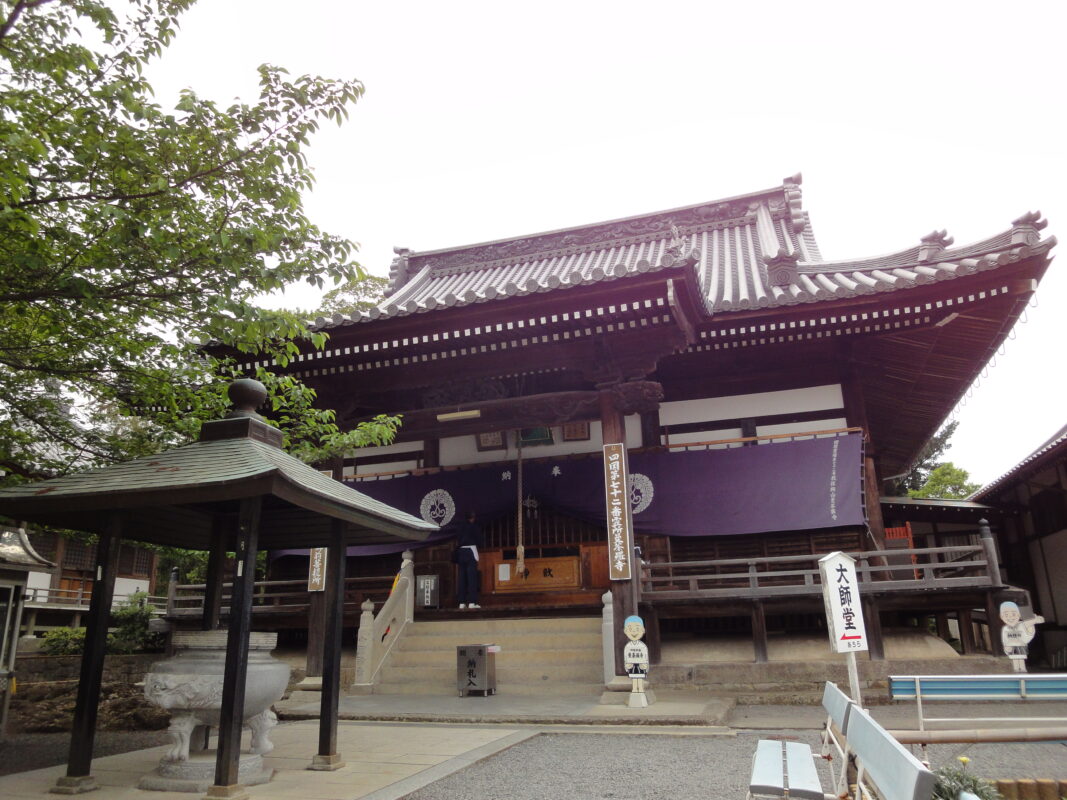
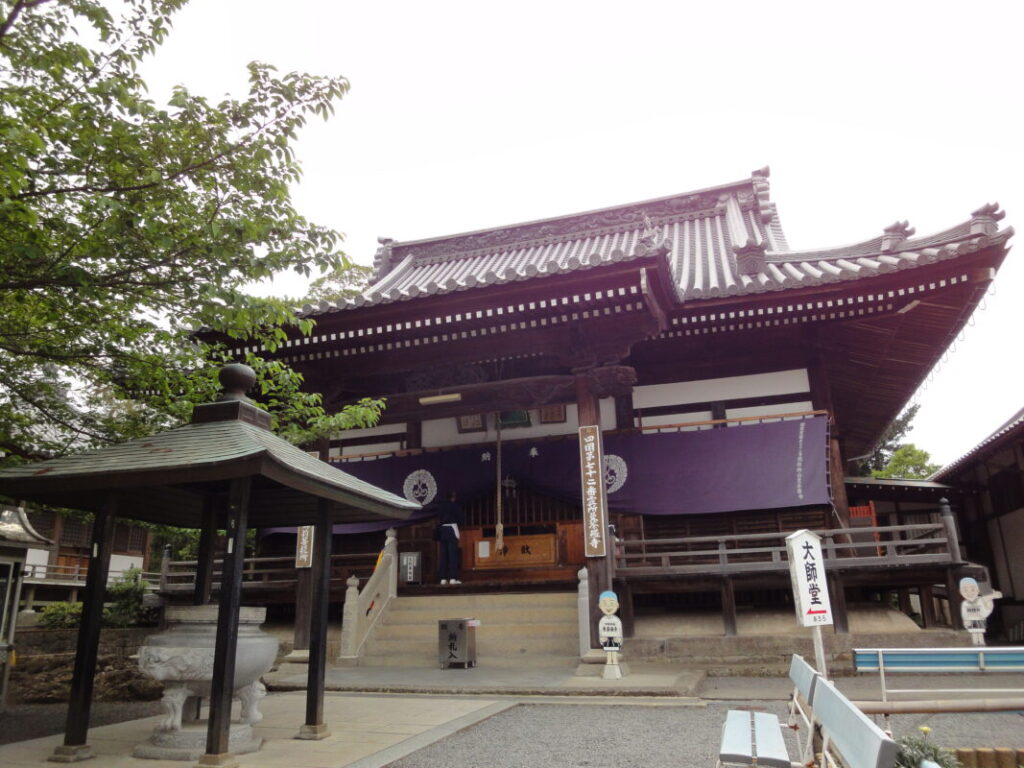
Mandaraji Temple Information
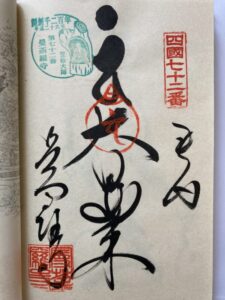
Goshuin
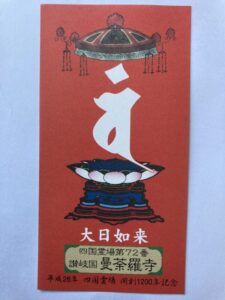
- Omie
- 1,200th Anniversary Edition

Basic Information
| Principal Deity | Dainichi Nyorai |
| Elevation | 50 m |
| Google Maps | MAP |
Accommodation
| Shukubo (Temple Lodging) | Not Available |
| Tsuyado (Free Pilgrim Shelter) | Not Available |
History & Highlights
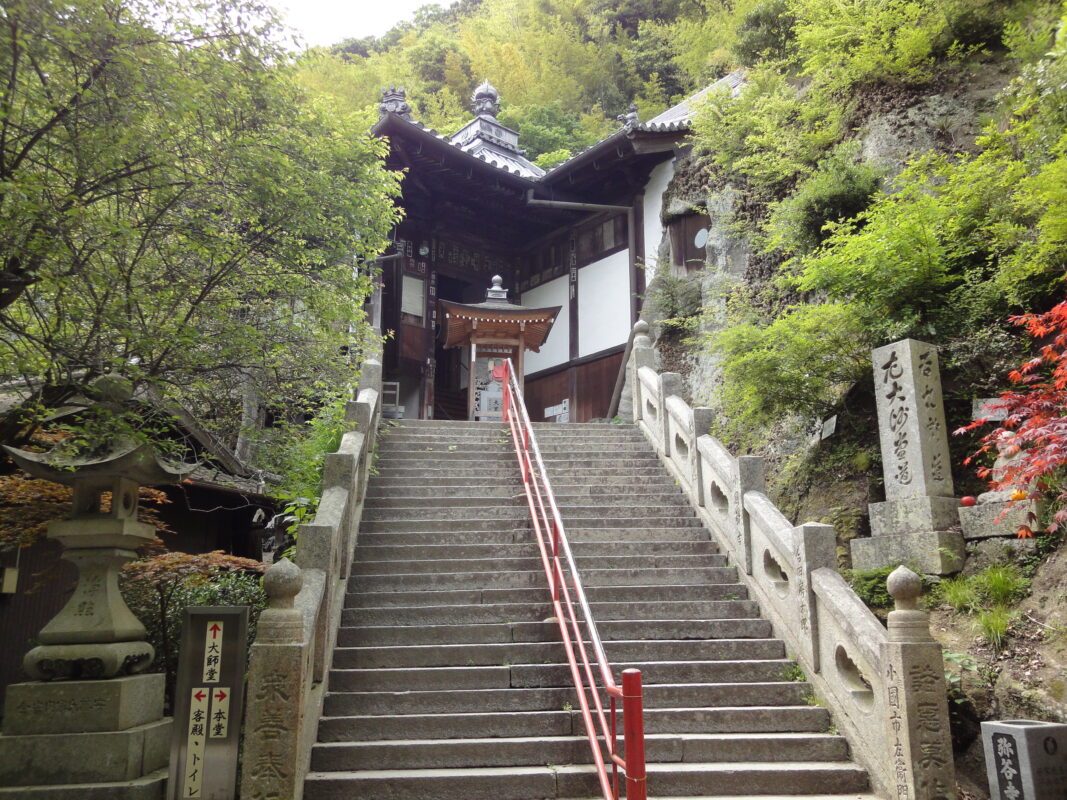
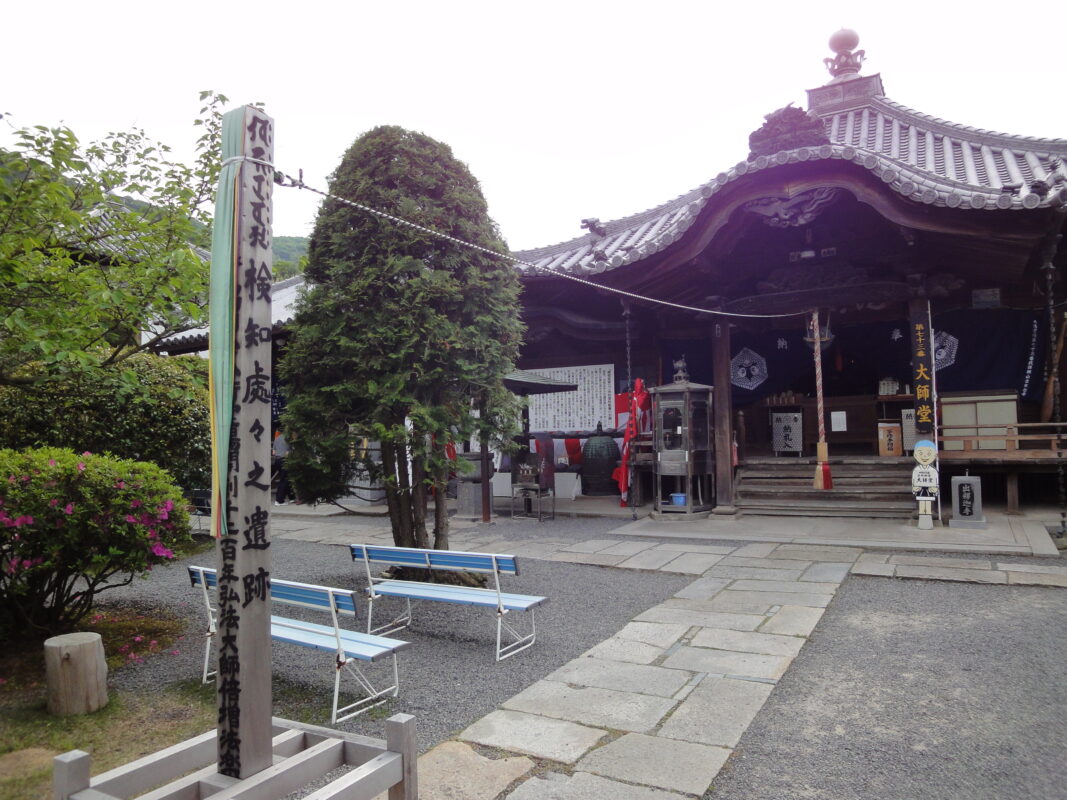
Mandaraji Temple is one of the oldest temples among the 88 sacred sites of the Shikoku Pilgrimage, said to have been founded in 596 during the reign of Empress Suiko.
According to tradition, Kobo Daishi enshrined a mandala he brought back from Tang China, and the temple was renamed “Mandaraji” after this sacred object.
The temple also features historic and literary landmarks associated with Saigyo Hoshi, including the Hiruneishi (Nap Stone) and Kasakake-zakura cherry tree, offering visitors a glimpse into the temple’s rich cultural heritage.
Notes
Parking fee: 200 yen
Route Map, Distance & Travel Time
You can switch between the tabs to view the routes to the previous and next temples.
Select “Driving Route” from the map’s upper-left menu to display the driving route.
Click the Full Screen icon in the upper-right corner of the map to open it in Google Maps for a larger, easier-to-view map.
- From Previous Temple
- To Next Temple
Previous Temple: Iyadaniji
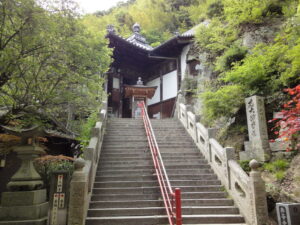
| Distance | 3.7 km |
| Walking | 1 hr |
| Driving | 10 min |
Next Temple: Shusyakaji
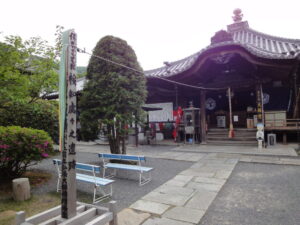
| Distance | 0.6 km |
| Walking | 10 min |
| Driving | 1 min |
Transportation Guide
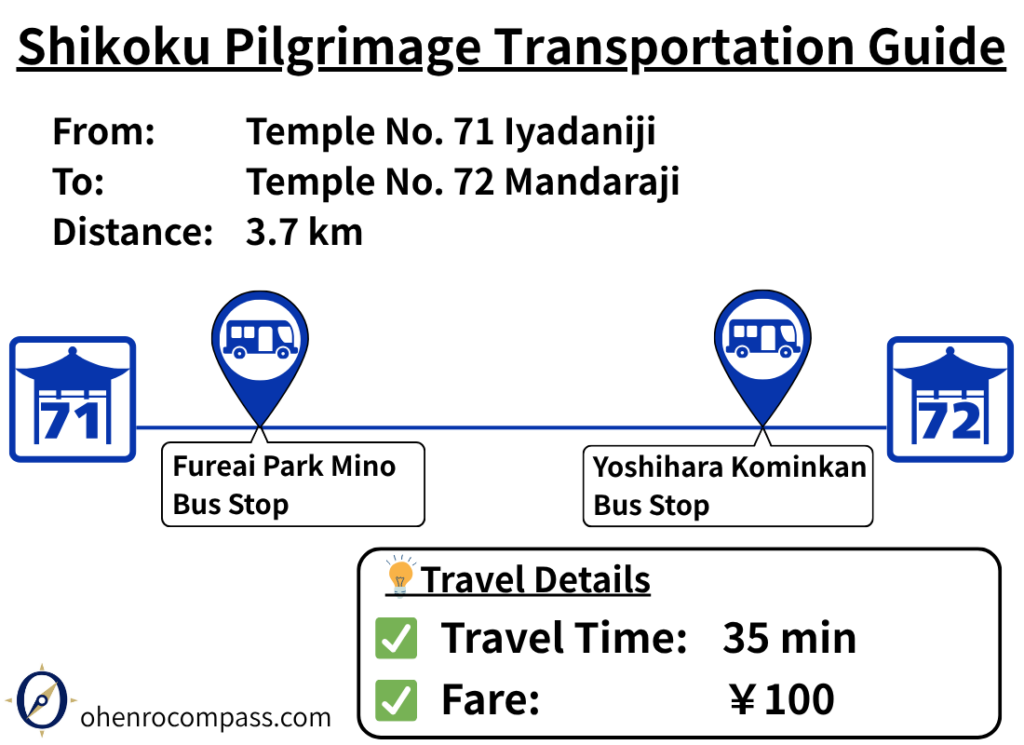
Travel from Iyadaniji (71st Temple) to Mandaraji (72nd Temple) by bus in about 35 minutes for ¥100. Includes bus stops, timetable, walking distance and a comparison with the walking route.
My Walking Experience
Mandaraji Temple is located approximately 4 km east of Iyadaniji Temple.
After descending the stone steps of Iyadaniji, there is a pilgrimage trail that leads toward Mandaraji. For walking pilgrims, this route allows you to continue without taking a large detour along the main roads.
After passing through the trail, you will find a pedestrian-only tunnel beneath the Takamatsu Expressway, providing a safe and comfortable walking route.
Along the way, you can enjoy peaceful Sanuki scenery, including paths beside ponds and views of Mt. Sanuki Fuji in the distance.
This route is also part of the Seven-Temple Pilgrimage (Shichikasho Mairi), and stone monuments along the path remain as reminders of the many pilgrims who have walked here throughout history.
History and Highlights of Mandaraji Temple
Kasamatsu Daishi: A Connection to Kobo Daishi
One of the most memorable sights at Mandaraji Temple is the “Kasamatsu Daishi.”
The temple once had a 1,200-year-old pine tree called Furo no Matsu, which was said to have been planted by Kobo Daishi himself. Although the tree has since died, part of its trunk has been preserved.
A statue of Kobo Daishi was carved into the remaining trunk, and it is still enshrined today as “Kasamatsu Daishi.” The ancient pine serves as a reminder of the temple’s deep connection with Kobo Daishi and the passage of centuries.
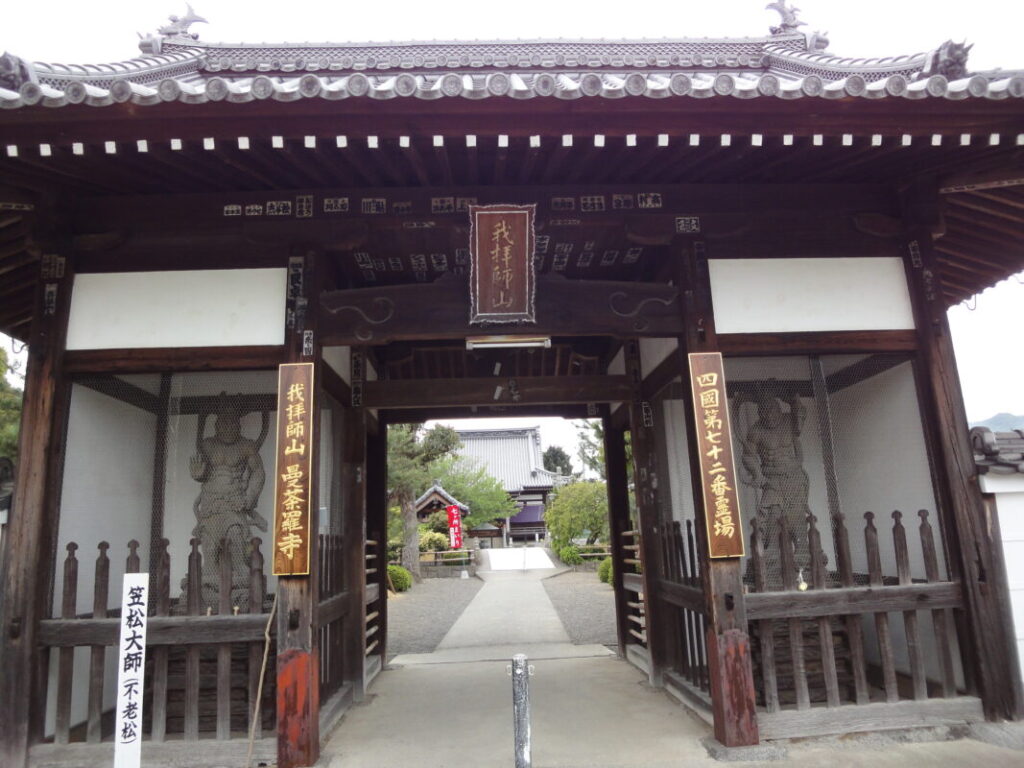
A Temple with a Warm Local Atmosphere
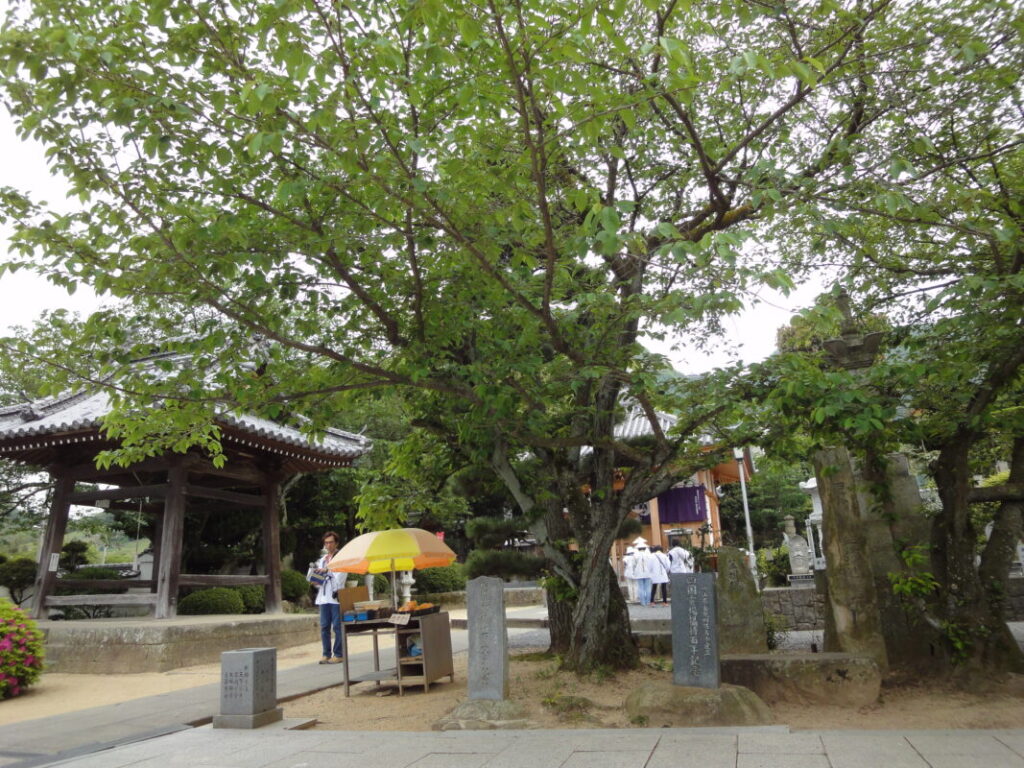
When I visited, there was an unmanned stand selling locally grown mandarins within the temple grounds.
Unlike some pilgrimage sites that have become heavily focused on tourism, Mandaraji gave me the impression of being a familiar and welcoming temple that remains closely connected to the local community.
Nearby Accommodation
If you plan to stay near Mandaraji or between the surrounding pilgrimage temples, see the article below.

Related Articles
Shikoku 88 Temple Pilgrimage Route: Full List, Distance & Walking Time Guide.
Temple List and Full Route
For a complete list of the Seven-Temple Pilgrimage, please see the article here.
What is the Shichikasho Pilgrimage? A Seven Temple Pilgrimage Route in Kagawa
Comments