
Planning accommodation on the Shikoku Pilgrimage is less about the total number of places to stay and more about where they are located.
Based on an analysis of 422 accommodations used by walking pilgrims, the sections requiring the most careful planning are:
• Temple 43–44 (Meisekiji → Daihoji)
• Temple 23–24 (Yakuoji → Hotsumisakiji)
• Temple 11–12 (Fujidera → Shosanji)
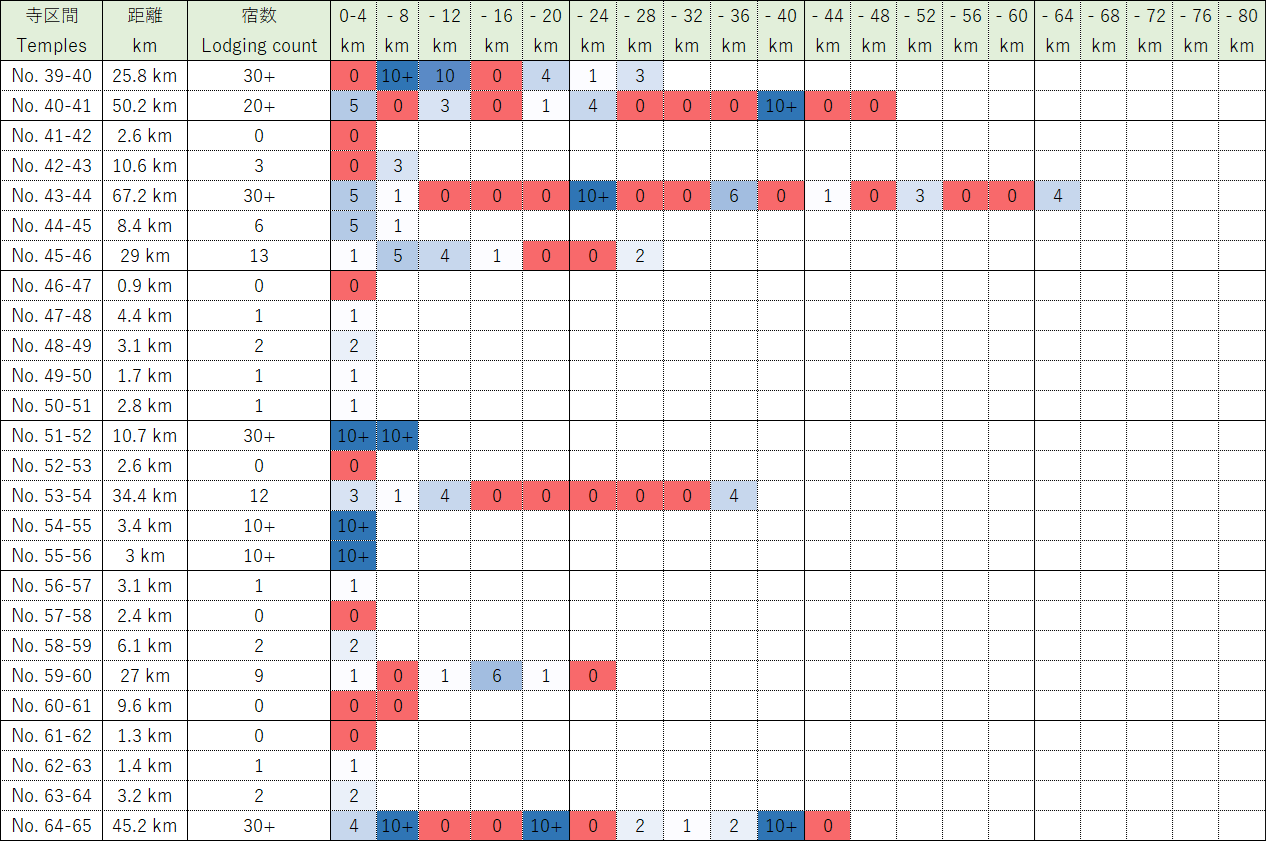
The heat maps below show accommodation gaps and areas where securing lodging can become difficult.
- 422 Accommodations Available for Walking Pilgrims: Survey Method and Results
- Top 5 Most Difficult Sections for Securing Accommodation on the Walking Shikoku Pilgrimage
- Comparison of Accommodation Availability by Prefecture on the Shikoku Pilgrimage
- Frequently Asked Questions (FAQ)
- Conclusion | Accommodation Location Matters More Than the Number of Places to Stay
- Related Articles
422 Accommodations Available for Walking Pilgrims: Survey Method and Results
Accommodations Included in the Survey
This study focused on accommodation facilities that are realistically accessible and convenient for walking pilgrims. Accommodation information was collected and verified using Google Maps and compiled based on information available as of 2026.
The following types of accommodations were included:
- Hotels
- Business hotels
- Ryokan (traditional Japanese inns)
- Minshuku (family-run guesthouses)
- Guesthouses
To keep the survey relevant for walking pilgrims, only accommodations located reasonably close to the pilgrimage route and realistically reachable on foot were included. Based on these criteria, a total of 422 accommodations were identified.
Facilities Excluded from the Survey
The following facilities were excluded:
- Accommodations located far from the walking pilgrimage route
- Facilities such as resort hotels that are rarely used by pilgrims
- Free charity lodging (Zenkonyado)
- Wild camping or unofficial overnight spots
In addition, areas with extremely high concentrations of accommodations, such as locations near train stations or major urban districts, were partially adjusted. When more than ten accommodations existed within a 2 km radius, some facilities were excluded from the count.
The purpose of this adjustment was not to increase the total accommodation count, but to make the distribution of lodging along the walking pilgrimage route easier to understand. This approach reduces distortions caused by highly concentrated accommodation areas and provides a clearer picture of lodging availability along the pilgrimage path.
Top 5 Most Difficult Sections for Securing Accommodation on the Walking Shikoku Pilgrimage
#1: Temple 43 Meisekiji to Temple 44 Daihoji
A 67 km Mountain Section with Uneven Accommodation Distribution
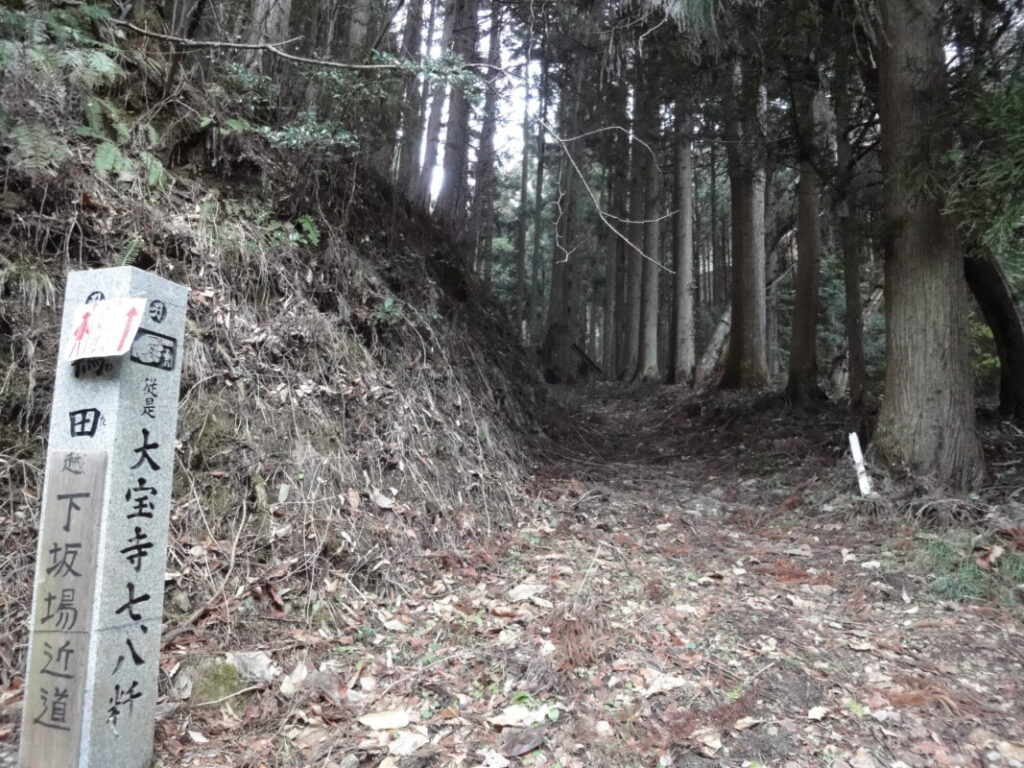
The section between Temple 43 Meisekiji and Temple 44 Daihoji is approximately 67 km long. It is considered one of the more challenging sections for walking pilgrims because it combines long distances, elevation changes, and limited accommodation availability.
Daihoji Temple is located in Kumakogen at an elevation of approximately 600 meters, and the latter part of the route includes a mountain pass reaching around 800 meters above sea level. Accommodation options are concentrated mainly around Ozu (approximately 20 km from the starting point) and Uchiko (around 30 km). Outside these areas, lodging choices become much more limited.
For experienced walkers, it is possible to stay overnight in Uchiko and then continue over the mountain pass toward Kumakogen the following day. Once you reach Kumakogen, accommodation options become more plentiful.
For beginners, dividing the section into shorter stages around Ozu and Uchiko can reduce the physical burden. Staying in the upper Uchiko area can be especially helpful, as it makes the mountain crossing on the following day easier.
| Day | Experienced Walker Route | Beginner Route |
|---|---|---|
| Day 1 | Temple 43 Meisekiji → Uchiko (30 km) | Temple 43 Meisekiji → Ozu (20 km) |
| Day 2 | Uchiko → Kumakogen (35 km) | Ozu → Upper Uchiko area (20 km) |
| Day 3 | Temple 44 Daihoji onward | Upper Uchiko area → Temple 44 Daihoji (25 km) |
#2: Temple 23 Yakuoji to Temple 24 Hotsumisakiji
Accommodation Location Matters on the Muroto Route
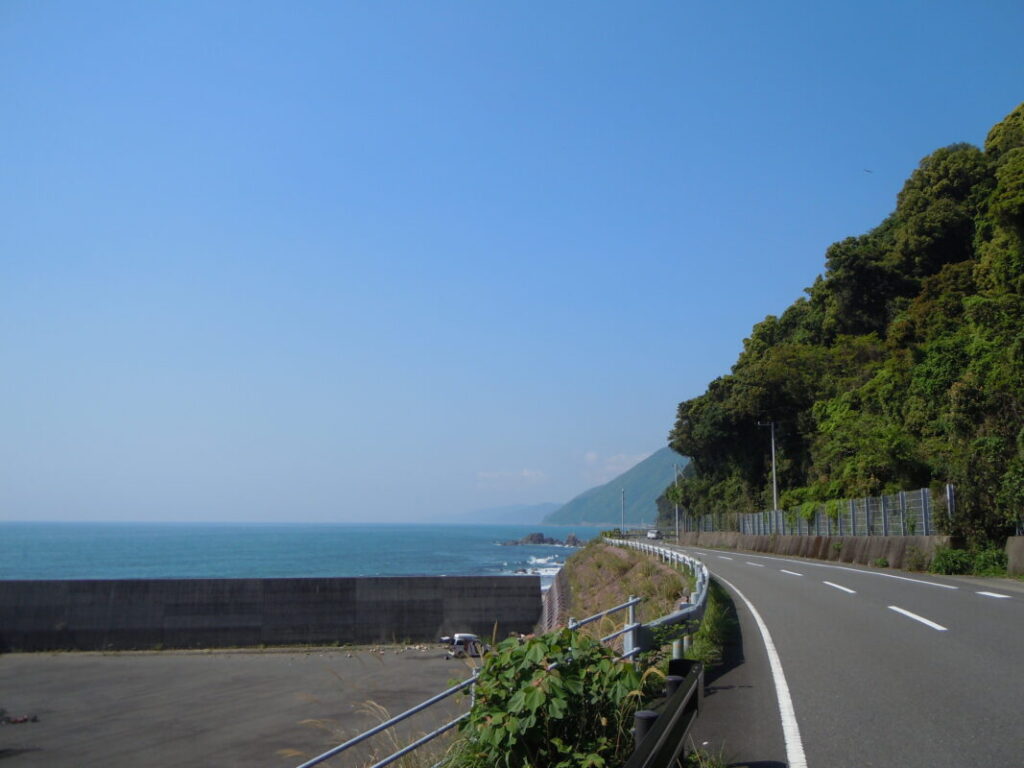
The section between Temple 23 Yakuoji and Temple 24 Hotsumisakiji is approximately 76 km long, making it one of the longer stretches on the walking Shikoku Pilgrimage. Strong walkers may complete it in around three days, while most pilgrims typically take about four days.
At first glance, the total number of accommodations may appear sufficient. However, they are not evenly distributed along the route. Lodging is relatively easy to find during the first half of the section, but after passing Toyo Town (around the 40 km mark), accommodation options decrease significantly.
In addition, convenience stores, supermarkets, and other supply points become much less frequent after Toyo Town. If you are planning to camp or stay outdoors, it is advisable to carry enough food and drinks for the following day as well. As a general guideline, bringing supplies equivalent to about three meals can provide a reasonable margin of safety.
Experienced walkers can improve overall travel efficiency by reaching Toyo Town on the first stage. For beginners, splitting the route around Kaiyo Town and Sakihama can make each day’s walking distance more manageable.
| Day | Experienced Walker Route | Beginner Route |
|---|---|---|
| Day 1 | Temple 23 Yakuoji → Toyo Town (40 km) | Temple 23 Yakuoji → Kaiyo Town (25 km) |
| Day 2 | Toyo Town → Cape Muroto (35 km) | Kaiyo Town → Toyo Town (15 km) |
| Day 3 | Temple 24 Hotsumisakiji onward | Toyo Town → Sakihama (20 km) |
| Day 4 | — | Sakihama → Temple 24 Hotsumisakiji (15 km) |
#3: Temple 11 Fujidera to Temple 12 Shosanji
The Famous “Henro Korogashi” Section
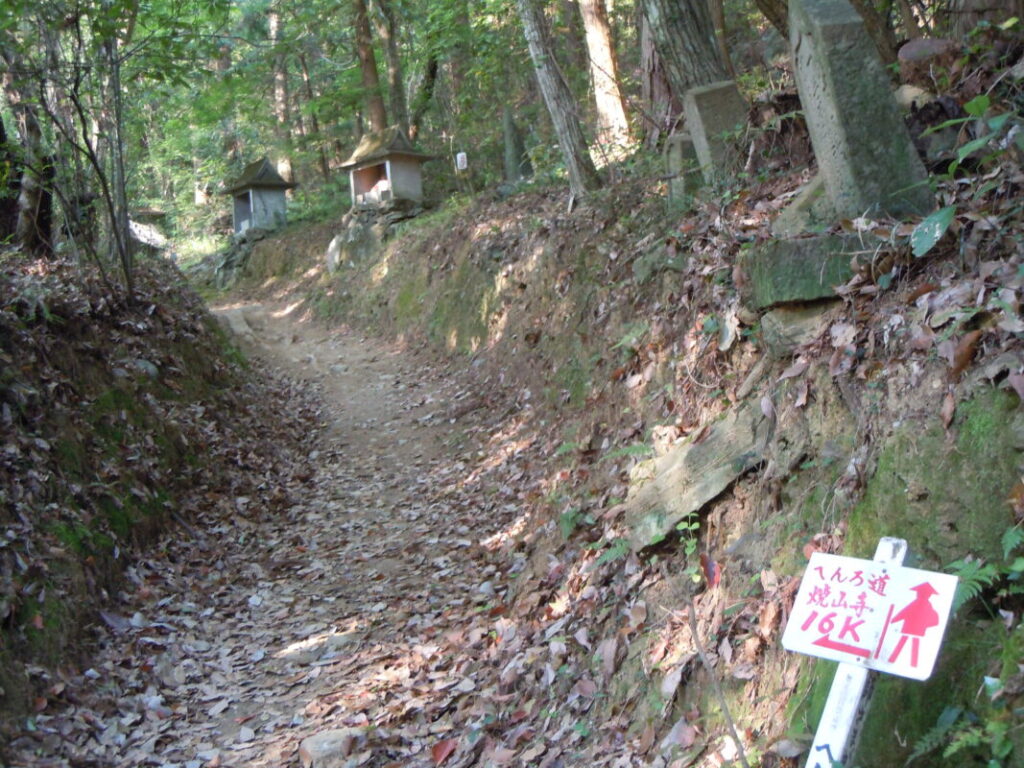
The section between Temple 11 Fujidera and Temple 12 Shosanji is only about 13 km long, but it is widely known as one of the most challenging parts of the Shikoku Pilgrimage, commonly referred to as Henro Korogashi (“the pilgrim killer” or “pilgrim tumbler”). The route involves continuous steep ascents and descents with significant elevation changes, and walking pilgrims may spend anywhere from 6 to 9 hours completing this section.
The challenge does not end at Shosanji. Beyond the temple, the mountain route continues for roughly another 20 km toward Temple 13 Dainichiji. While the total distance may not seem exceptionally long, the physical demands are substantial, making accommodation planning particularly important.
One key strategy is to stay near Temple 11 Fujidera the night before. Starting early in the morning gives pilgrims more time and flexibility to complete the Shosanji crossing safely.
For beginners, dividing the route into two days by staying at the Shosanji temple lodging (shukubo) is often the better option. Strong walkers, however, may be able to continue beyond Shosanji in a single stage.
| Day | Experienced Walker Route | Beginner Route |
|---|---|---|
| Day 1 | Temple 11 Fujidera → Sudachi-an / Uemura Ryokan (20 km) | Temple 11 Fujidera → Temple 12 Shosanji Temple Lodging (13 km) |
| Day 2 | Sudachi-an / Uemura Ryokan → Temple 13 Dainichiji (10 km) | Temple 12 Shosanji → Temple 13 Dainichiji (20 km) |
#4: Temple 53 Enmyoji to Temple 54 Enmeiji
Watch Out for Accommodation Gaps Along This 35 km Section
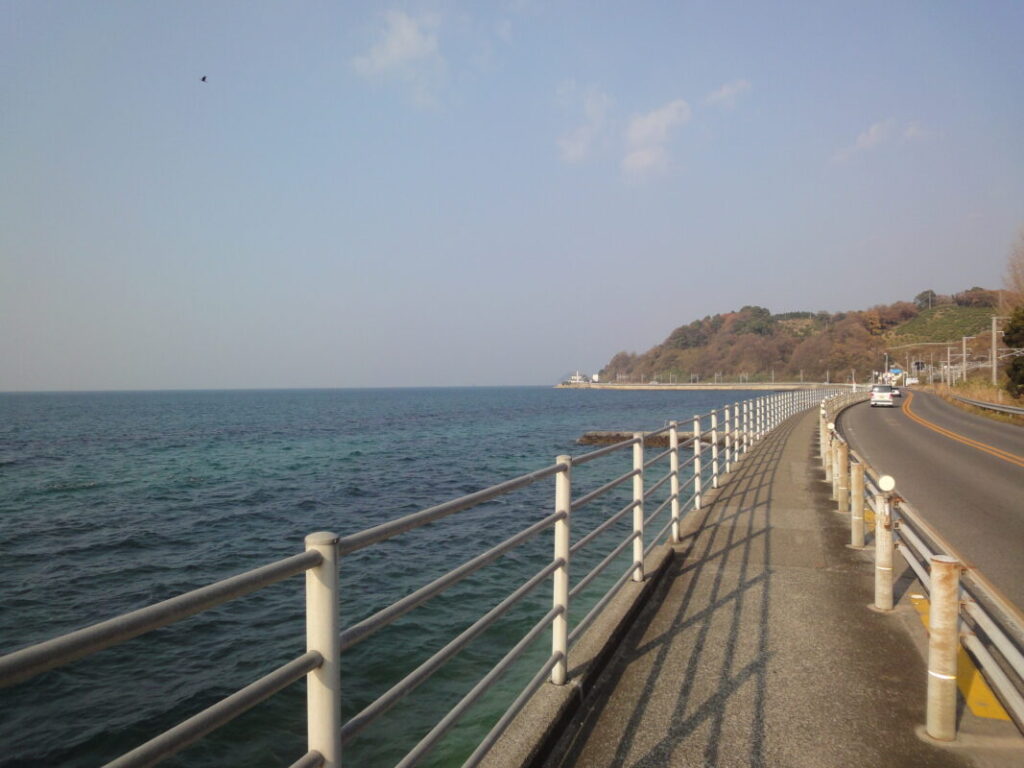
The section between Temple 53 Enmyoji and Temple 54 Enmeiji is approximately 35 km long and typically takes walking pilgrims one to two days to complete. There are no major mountain crossings on this route, but the distance itself is significant enough that careful planning of departure times and overnight stops is important.
One particular point to note is the uneven distribution of accommodations along the route. After passing the Iyo-Hojo area at around the 10 km mark, lodging options become much more limited until reaching the Omishi area around the 30 km point.
Experienced walkers may be able to continue all the way to Temple 54 Enmeiji in a single day. For beginners, or for pilgrims starting from Temple 53 later in the day, staying overnight near Iyo-Hojo can help reduce the physical burden of the following day.
| Day | Experienced Walker Route | Beginner Route |
|---|---|---|
| Day 1 | Temple 53 Enmyoji → Temple 54 Enmeiji (35 km) | Temple 53 Enmyoji → Iyo-Hojo (10 km) |
| Day 2 | — | Iyo-Hojo → Temple 54 Enmeiji (25 km) |
#5: Temple 65 Sankakuji to Temple 66 Unpenji
The Highest Route on the Shikoku Pilgrimage
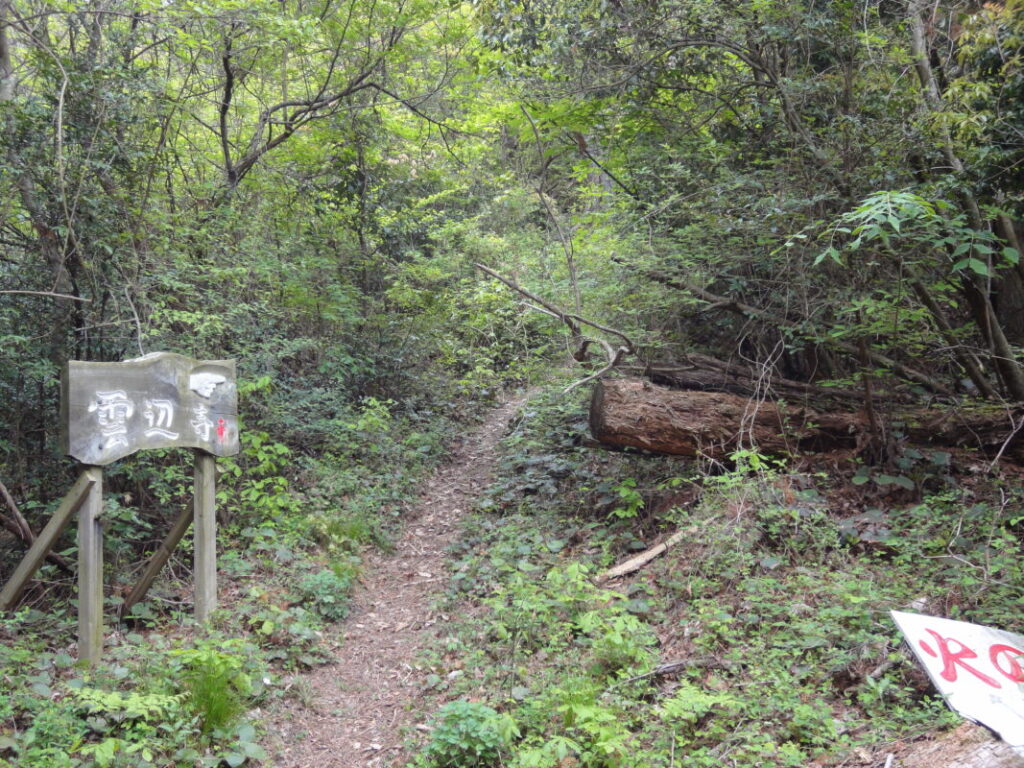
The section between Temple 65 Sankakuji and Temple 66 Unpenji is approximately 20 km long, but it is known as one of the most physically demanding sections of the pilgrimage despite its relatively short distance. Unpenji is the highest temple among the 88 temples of the Shikoku Pilgrimage, located at an elevation of approximately 900 meters.
Although the distance itself is not exceptionally long, the continuous climb can make it feel much harder than a typical 20 km walk on flat terrain. Pilgrims should also be aware that there are very few accommodation options in the mountains. Once ascending toward Unpenji, lodging can be difficult to access until descending to the lower areas again.
For a safer and more manageable schedule, staying overnight in the urban area of Shikokuchuo at the foot of Sankakuji before starting the climb, and then staying in the Shiraji area near the base of Unpenji, is often recommended. Rather than trying to force the entire section into a single day, dividing the route according to your physical condition usually makes the walk easier.
Experienced walkers may be able to continue directly toward Unpenji in a single stage. Depending on physical condition and circumstances, using the temple’s tsuyado (free overnight shelter for pilgrims) can also be an option.
| Day | Experienced Walker Route | Beginner Route |
|---|---|---|
| Day 1 | Shikokuchuo → Temple 65 Sankakuji → Temple 66 Unpenji / Tsuyado (25 km) | Shikokuchuo → Temple 65 Sankakuji → Shiraji Area (25 km) |
| Day 2 | Temple 66 Unpenji onward | Shiraji Area → Temple 66 Unpenji (10 km) |
Comparison of Accommodation Availability by Prefecture on the Shikoku Pilgrimage
| Prefecture | Distance | Number of Accommodations | Accommodations per km |
|---|---|---|---|
| Tokushima | 220 km | 69 | 0.31 |
| Kochi | 385 km | 181 | 0.47 |
| Ehime | 360 km | 114 | 0.32 |
| Kagawa | 150 km | 58 | 0.39 |
When comparing accommodation density by the number of accommodations per kilometer, Kochi Prefecture has the highest concentration, while Tokushima has the lowest.
However, average figures for an entire prefecture do not necessarily reflect the actual walking experience.
For walking pilgrims, accommodations tend to cluster around urban areas and tourist destinations, while mountainous regions and coastal sections may have stretches of more than 20 km with very limited lodging options. Therefore, a prefecture with a larger total number of accommodations does not automatically mean that finding a place to stay will be easier.
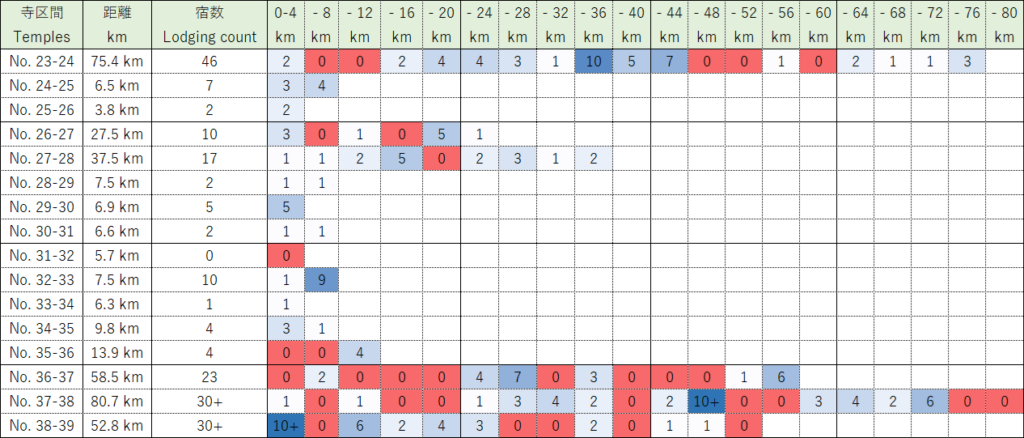
The following heat maps provide a more detailed look at accommodation distribution by prefecture.
These heat maps visualize accommodation distribution along the walking pilgrimage route between temples. The route is divided into 4 km sections, meaning that at an average walking speed of approximately 4 km/h, each block represents roughly one hour of walking time.
By looking at the color intensity, you can quickly identify areas with high accommodation density, areas with fewer options, and accommodation gap zones.
Tokushima Walking Pilgrimage Accommodation Map | Temples 1–23
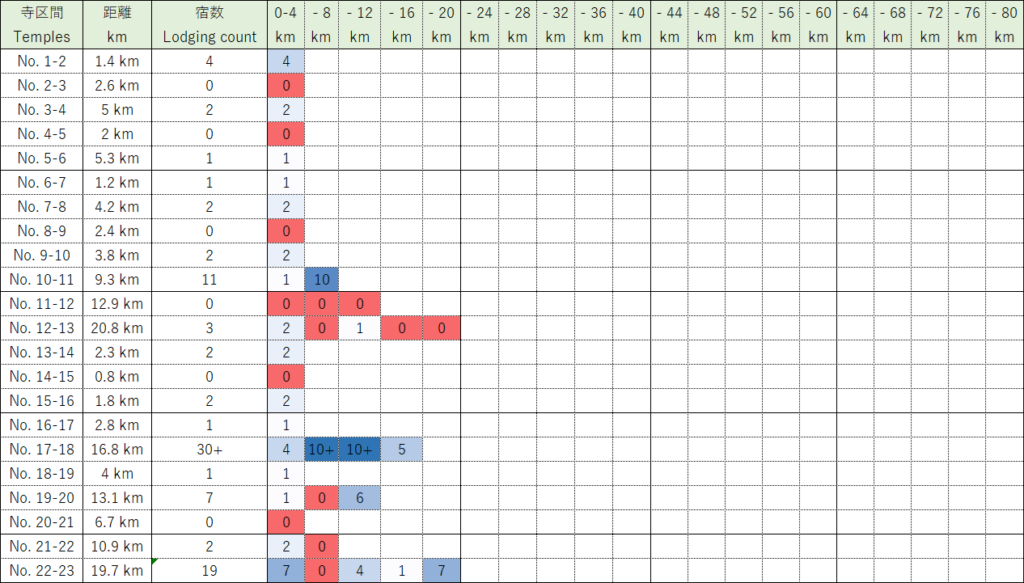
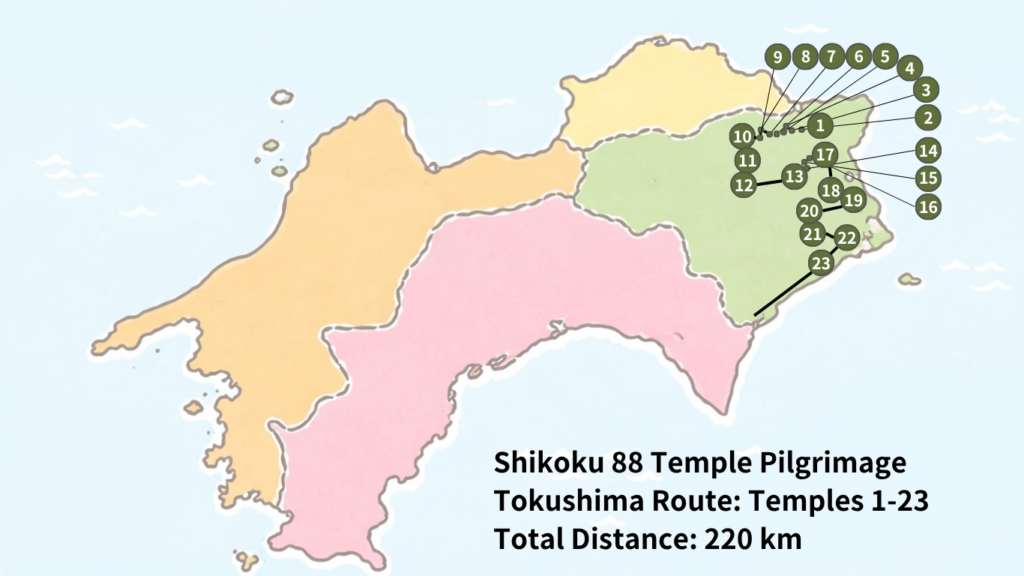
Tokushima Prefecture covers approximately 220 km from Temple 1 Ryozenji to Temple 23 Yakuoji and is known as the Hosshin no Dojo (“Place of Awakening”). Since many sections pass through urban and residential areas, accommodation is generally easier to find compared with other parts of the pilgrimage. For this reason, Tokushima is often considered a good region for beginners starting a walking pilgrimage.
In particular, the area around Temples 1–10 features relatively short distances between temples and a wider range of accommodation options. This makes it easier for pilgrims to build a flexible schedule based on their preferred daily walking distance.
One area that requires extra attention, however, is the Henro Korogashi section around Temple 11 Fujidera, Temple 12 Shosanji, and the route continuing toward Temple 13 Dainichiji.
Accommodation gaps are more likely to occur around Shosanji, and the mountain trails continue for long distances. The challenge comes not only from the distance itself but also from the significant elevation changes. For this reason, planning your overnight stays in advance is strongly recommended.
For more details, please see the “Most Difficult Sections for Securing Accommodation” ranking in this article.
Recommended Accommodation Options for Walking Pilgrims (Tokushima Edition)
Temple 6: Anrakuji




| Nearest Temple | No. 6 (0 km) |
| Nearest Station | Itano (10 km) |
| Google Maps | MAP |
| Rating | ★★★★★ (5/5) |
Check Booking Sites
Oyado Eleven



| Nearest Temple | No. 11 (0.2 km) |
| Nearest Station | Kamojima (4 km) |
| Google Maps | MAP |
| Rating | ★★★★★ (5/5) |
Check Booking Sites
Sudachi An

| Nearest Temple | No. 12 (3.5 km) |
| Nearest Station | – |
| Google Maps | MAP |
| Rating | ★★★★★ (5/5) |
Check Booking Sites
Uemura
| Nearest Temple | No. 12 (10 km) |
| Nearest Station | – |
| Google Maps | MAP |
| Rating | ★★★★★ (5/5) |
Check Booking Sites
Kamiyama Onsen Hotel Shiki no Sato

| Nearest Temple | No. 12 (12 km) |
| Nearest Station | – |
| Google Maps | MAP |
| Rating | ★★★★☆ (4/5) |
Check Booking Sites
Related Articles
Kochi Walking Pilgrimage Accommodation Map | Temples 24–39
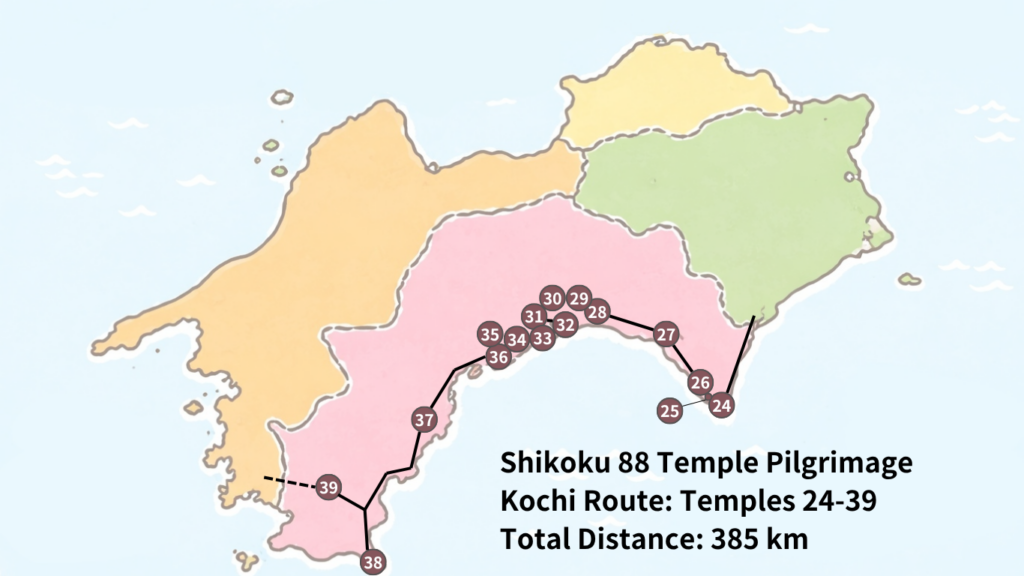
Kochi Prefecture is the longest of the four pilgrimage prefectures, covering approximately 385 km from Temple 24 Hotsumisakiji to Temple 39 Enkoji. Because of the long distances involved, accommodation planning becomes especially important for walking pilgrims in this region.
The Muroto route (between Temples 23–24) is known as one of the classic long-distance sections of the walking pilgrimage. While accommodations are relatively easy to find during the first half of the route, lodging options become much more limited after passing Toyo Town. More details can be found in the “Most Difficult Sections for Securing Accommodation” ranking within this article.
Another route often described as one of the most demanding sections of the Shikoku Pilgrimage is the area leading toward Temple 37 Kongofukuji at Cape Ashizuri. However, when viewing the heat map, accommodations are actually distributed at regular intervals, meaning that finding a place to stay is generally less difficult than many pilgrims expect.
One section that requires more attention is the route between Temple 36 Shoryuji and Temple 37 Iwamotoji. Accommodation options become limited between Shoryuji and the Susaki area, and depending on your departure time, overnight choices may be restricted. For beginners, staying in the Usa area near Shoryuji the night before can make planning the following day’s walk easier.
The Mihara Village route between Temples 38 and 39 also deserves attention. Accommodation becomes less common after the Tosashimizu area, so it is generally safer to decide on overnight stops before beginning this section.
Recommended Accommodation Options for Walking Pilgrims (Kochi Edition)
Toyo Shirahama Resort Hotel

| Nearest Temple | No. 23 (38 km) |
| Nearest Station | Kannoura (0.5 km) |
| Google Maps | MAP |
| Rating | ★★★☆☆ (3/5) |
Check Booking Sites
Tachibana

| Nearest Temple | No. 24 (18 km) |
| Nearest Bus Stop | Sakihama Minamiguchi |
| Google Maps | MAP |
| Rating | ★★★★★ (5/5) |
Check Booking Sites
Misaki Kanko Hotel
| Nearest Temple | No. 24 (1 km) |
| Nearest Bus Stop | Misaki Hotel Mae |
| Google Maps | MAP |
| Rating | ★★★★☆ (4/5) |
Check Booking Sites
Sanyo So
| Nearest Temple | No. 36 (0.5 km) |
| Nearest Station | – |
| Google Maps | MAP |
| Rating | ★★★★☆ (4/5) |
Check Booking Sites
Yurutto

| Nearest Temple | No. 38 (12 km) |
| Nearest Bus Stop | Iburi (0.1 km) |
| Google Maps | MAP |
| Rating | ★★★★★ (5/5) |
Check Booking Sites
Related Articles
Ehime Walking Pilgrimage Accommodation Map | Temples 40–65
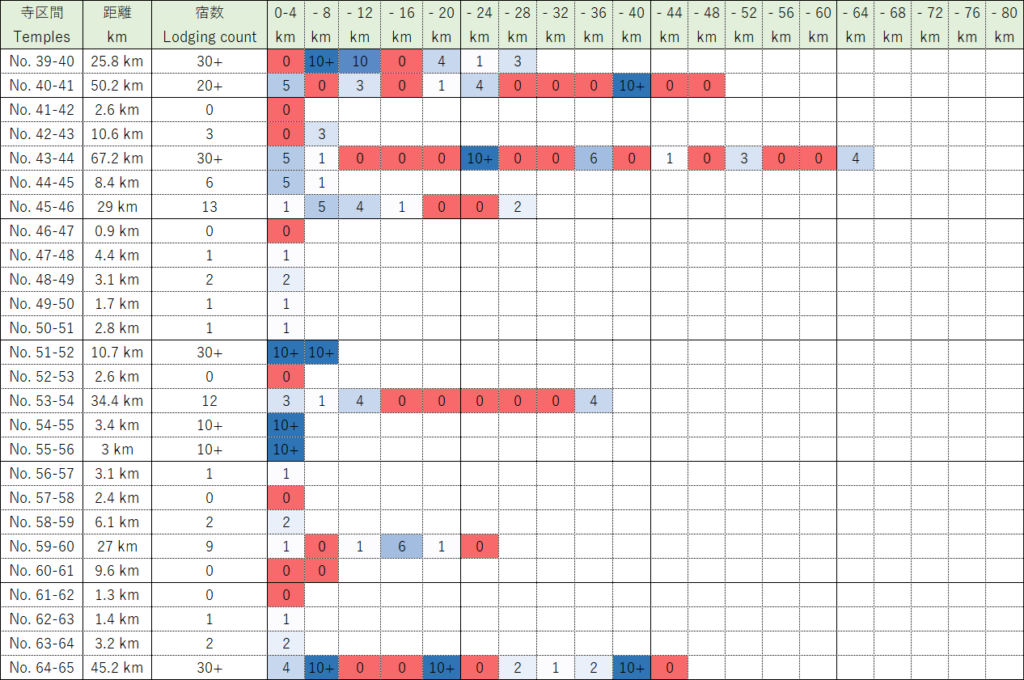
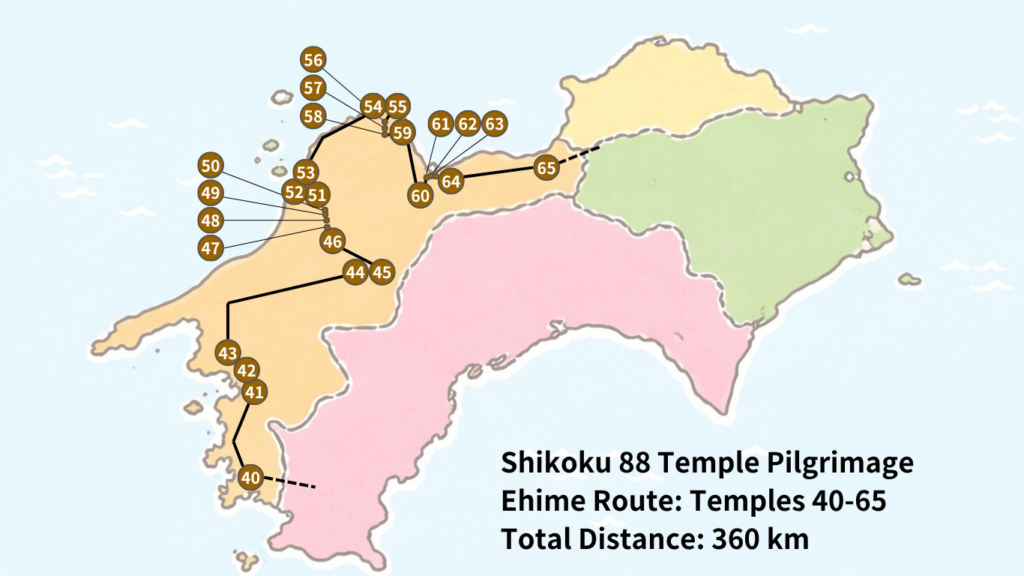
Ehime Prefecture covers approximately 360 km from Temple 40 to Temple 65 and contains several long-distance sections within the Shikoku Pilgrimage. Since the route also includes many mountain temples, it is important to plan not only accommodation stops but also the following day’s walking distance.
Looking at the heat map, accommodation density is relatively high around the Matsuyama area, while some sections in the Nanyo region and mountainous areas have fewer lodging options.
One area that deserves particular attention is the route around Temples 40–43. On the route from Temple 40 toward Uwajima, there are sections where accommodations become limited between the Tsushima area and the Uwajima region.
For beginners, a schedule such as the following may provide a more comfortable pace:
- Stay one night in the Tsushima area
- Stay one night near Uwajima
- Stay one night in the Unomachi area near Temple 43 Meisekiji
Another major section requiring careful planning is the route between Temple 43 Meisekiji and Temple 44 Daihoji, where long accommodation gaps can occur. There are also sections with fewer lodging options around Temples 53–54.
Further details on these areas are explained in the article section titled “Most Difficult Sections for Securing Accommodation.”
Recommended Accommodation Options for Walking Pilgrims (Ehime Edition)
Yamashiroya

| Nearest Temple | No. 40 (0.1 km) |
| Nearest Station | – |
| Google Maps | MAP |
| Rating | ★★★★☆ (4/5) |
Check Booking Sites
Tokiwa

| Nearest Temple | No. 43 (20 km) |
| Nearest Station | Iyo Ozu (0.4 km) |
| Google Maps | MAP |
| Rating | ★★★★☆ (4/5) |
Check Booking Sites
Uchiko Hare

| Nearest Temple | No. 44 (32 km) |
| Nearest Station | Uchiko (1 km) |
| Google Maps | MAP |
| Rating | ★★★★★ (5/5) |
Check Booking Sites
Hatchozaka
| Nearest Temple | No. 44 (2.5 km) |
| Nearest Station | – |
| Google Maps | MAP |
| Rating | ★★★★★ (5/5) |
Check Booking Sites
Seapa no Yu

| Nearest Temple | No. 53 (10 km) |
| Nearest Station | Iyo Hojo (0.5 km) |
| Google Maps | MAP |
| Rating | ★★★★☆ (4/5) |
Check Booking Sites
Related Articles
Kagawa Walking Pilgrimage Accommodation Map | Temples 66–88
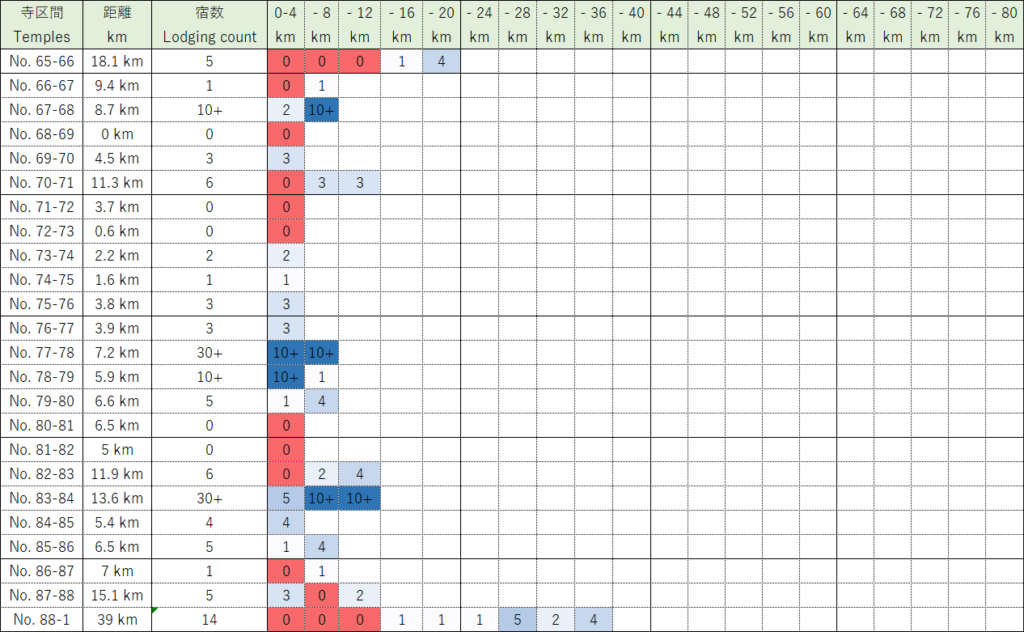
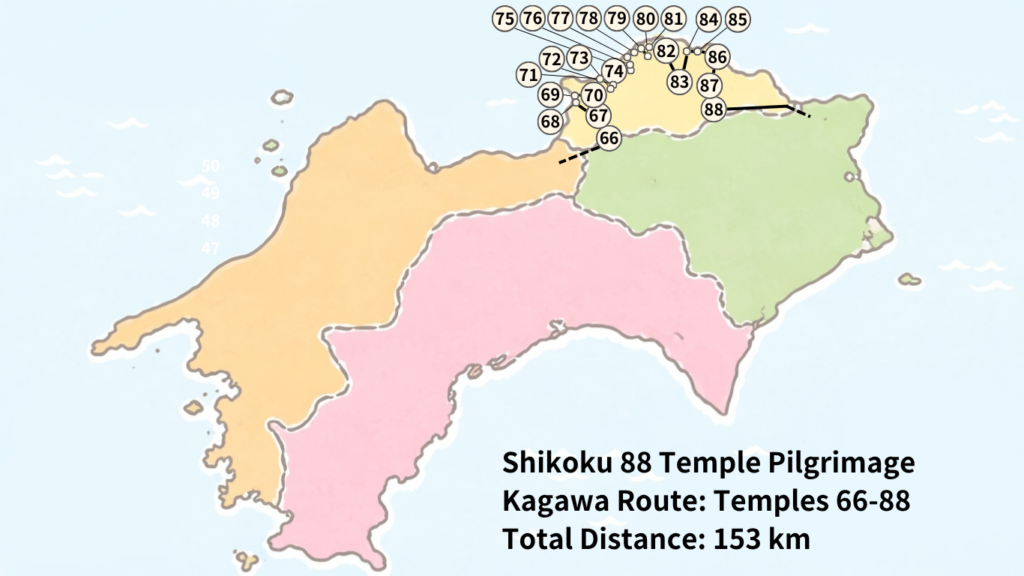
Since Kagawa Prefecture includes major urban areas such as Takamatsu and Marugame, it is generally one of the easier regions for finding accommodation along the Shikoku Pilgrimage. Walking pilgrims pass through several areas with relatively high accommodation density, making route planning more flexible compared with some other sections of the pilgrimage.
However, there are two sections that deserve special attention.
The first is the Unpenji route between Temples 65–66. Because Temple 66 Unpenji is located at a high elevation, accommodation options become extremely limited once entering the mountain section. This route is explained in more detail in the “Most Difficult Sections for Securing Accommodation” ranking.
The second is the Orei-Mairi (“return pilgrimage”) route from Temple 88 back to Temple 1 Ryozenji.
For pilgrims planning to complete the return pilgrimage, the following schedule is often recommended:
- Stay one night in the Nagao area before Temple 88
- Stay one night near Temple 88
- Continue toward Temple 1 Ryozenji
One thing to keep in mind is that accommodations around Temple 88 can become fully booked during peak walking pilgrimage seasons. Spring and autumn are particularly busy periods, so making reservations in advance is strongly recommended.
I experienced this myself and was unable to secure a room, eventually spending the night outdoors in a park. Even though it is the final stage of the pilgrimage, it is not a section that should be underestimated.
Recommended Accommodation Options for Walking Pilgrims (Kagawa Edition)
Konishi
| Nearest Temple | No. 66 (10 km) |
| Nearest Station | – |
| Google Maps | MAP |
| Rating | ★★★★☆ (4/5) |
Check Booking Sites
Fureai Park Mino

| Nearest Temple | No. 71 (0.5 km) |
| Nearest Station | Mino (3 km) |
| Google Maps | MAP |
| Rating | ★★★★☆ (4/5) |
Check Booking Sites
Temple No. 75 Zentsuji

| Nearest Temple | No. 75 (0 km) |
| Nearest Station | Zentsuji (1 km) |
| Google Maps | MAP |
| Rating | ★★★★☆ (4/5) |
Check Booking Sites
Gentille

| Nearest Temple | No. 80 (0.5 km) |
| Nearest Station | Kokubu (0.3 km) |
| Google Maps | MAP |
| Rating | ★★★☆☆ (3/5) |
Check Booking Sites
Yasokubo

| Nearest Temple | No. 88 (0.1 km) |
| Nearest Station | – |
| Google Maps | MAP |
| Rating | ★★★★★ (5/5) |
Check Booking Sites
Related Articles
Frequently Asked Questions (FAQ)
- QShould I book accommodation in advance for a walking Shikoku pilgrimage?
- A
Advance reservations are recommended during the main walking pilgrimage seasons in spring (March–May) and autumn (October–November), as accommodations can fill up quickly. This is especially important in areas with fewer lodging options, such as the Muroto region, the Shosanji area, the Unpenji area, and around Temple 88. Booking several days ahead is generally a safer approach.
- QHow many kilometers do most walking pilgrims cover in a day?
- A
Beginners commonly walk around 15–20 km per day, while experienced pilgrims often cover 25–35 km. Strong walkers sometimes exceed 40 km in a day, but mountain sections can feel significantly harder even at the same distance. When planning accommodation, elevation changes should be considered in addition to distance.
- QHow much does accommodation cost on the Shikoku Pilgrimage?
- A
Minshuku (family-run guesthouses) and guesthouses generally cost around ¥5,000–¥8,000 per night, while ryokan and hotels are typically in the ¥7,000–¥12,000 range. Prices for temple lodging (shukubo) vary depending on whether meals are included. For long-term pilgrims, using business hotels in larger cities can sometimes help reduce overall costs.
- QIs it possible to complete the pilgrimage using only wild camping or sleeping outdoors?
- A
While it is possible, it is generally not recommended. In mountainous areas, finding water and food can be difficult, and bad weather may leave very few places for shelter and rest.
- QWhich is better: temple lodging (shukubo) or regular accommodations?
- A
For first-time walking pilgrims, regular accommodations are generally the easier choice. Staying at a shukubo offers a unique opportunity to experience temple life, but there may be restrictions such as fixed meal times or limited availability. However, in difficult sections such as the Shosanji area, temple lodging can sometimes make route planning much easier.
- QWhich section is the most difficult for finding accommodation?
- A
Based on this survey, the sections requiring the most attention were Temple 43 Meisekiji to Temple 44 Daihoji, Temple 23 Yakuoji to Temple 24 Hotsumisakiji, and the area around Temple 11 Fujidera to Temple 12 Shosanji. On the walking pilgrimage, the challenge often comes less from the total number of accommodations and more from uneven accommodation distribution along the route.
Conclusion | Accommodation Location Matters More Than the Number of Places to Stay
Accommodation planning on the Shikoku Pilgrimage is not about finding the largest number of hotels—it is about avoiding accommodation gaps.
Some routes have stretches of over 20 km with very limited lodging, especially around Temples 23–24, 43–44, Shosanji, and Unpenji.
Before starting your walk, check accommodation density and plan each day around where you can realistically stay.
Related Articles
A detailed guide to accommodation options on the Shikoku Pilgrimage, including costs and how to choose the right place to stay.
Shikoku Pilgrimage Accommodation Guide