
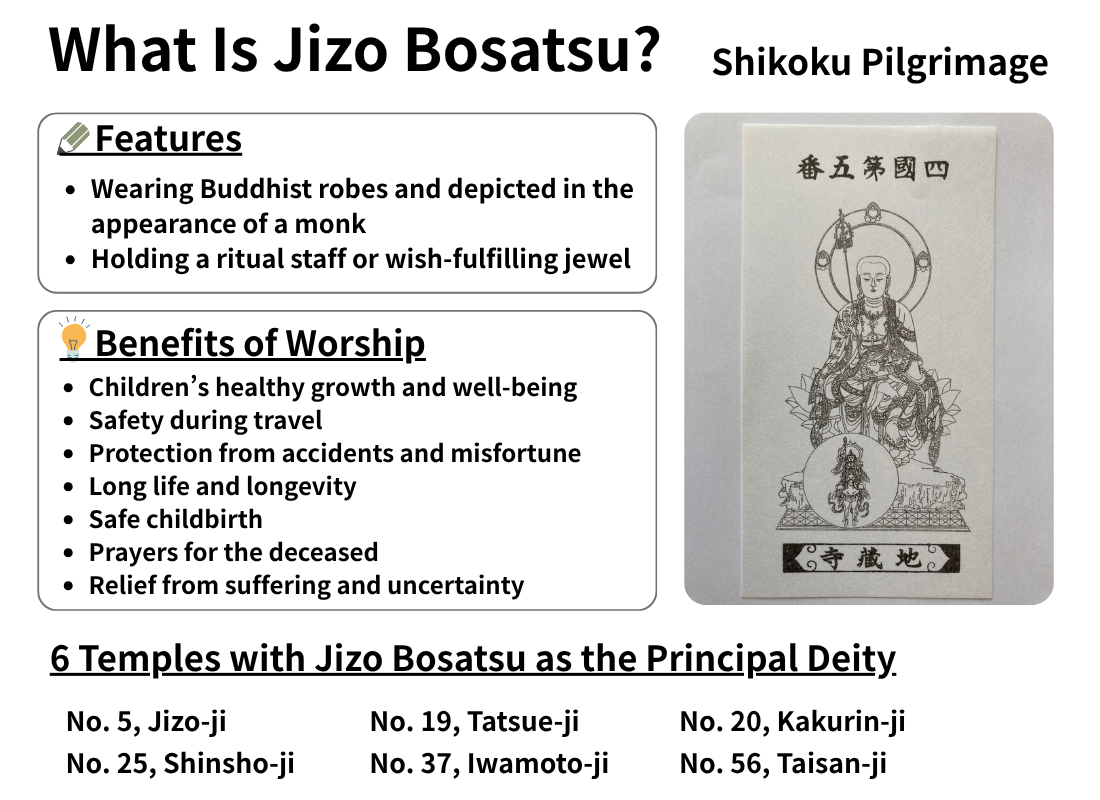
The 88 temples on the Shikoku 88 Temple Pilgrimage enshrine various Buddhist deities as their principal deities. Among them, Jizo Bosatsu is one of the most widely known and beloved Buddhist figures, with a long history of devotion in Japan.
Jizo Bosatsu is known as a Buddhist figure who protects children and travelers. He is also worshipped as a compassionate savior who helps the deceased and those suffering in difficult circumstances.
On the Shikoku 88 Temple Pilgrimage, there are six temples where Jizo Bosatsu is enshrined as the principal deity: Temple No. 5, Jizo-ji; No. 19, Tatsue-ji; No. 20, Kakurin-ji; No. 25, Shinsho-ji; No. 37, Iwamoto-ji; and No. 56, Taisan-ji. Each temple has its own distinctive form of Jizo worship. For example, No. 5 is known for Shogun Jizo Bosatsu, No. 19 for Enmei Jizo Bosatsu, and No. 25 for Enmei Jizo Bosatsu, known as Kajitori Jizo.
In this article, we will explain in an easy-to-understand way who Jizo Bosatsu is, what he looks like, what he is worshipped for, his mantra, and the six temples on the Shikoku 88 Temple Pilgrimage where Jizo Bosatsu is enshrined as the principal deity.
What Is Jizo Bosatsu?
Jizo Bosatsu is a bodhisattva who has long been worshipped as one of the most familiar and beloved Buddhist figures in Japan.
The name “Jizo” carries the meaning that, just as the earth accepts and nurtures all things, Jizo Bosatsu saves people with boundless compassion.
Jizo Bosatsu is especially known as a bodhisattva who appears throughout the Six Realms of Existence and saves those who are suffering.
The Six Realms are the six worlds described in Buddhism:
- Hell
- Hungry Ghosts
- Animals
- Asuras
- Humans
- Devas
Jizo Bosatsu has long been worshipped as a compassionate bodhisattva who does not abandon anyone, regardless of which realm they are born into, and strives to save all those who are suffering.
What Does Jizo Bosatsu Look Like?
Jizo Bosatsu is often depicted in the appearance of a Buddhist monk. He is commonly shown with a shaved head, wearing Buddhist robes, and holding a shakujō (ritual staff) or hōju (wish-fulfilling jewel).
The shakujō is a staff with metal rings attached to the top. It is also thought to symbolize Jizo Bosatsu’s role in traveling through the Six Realms and saving people who are suffering.
The hōju, held in the other hand, is a precious jewel believed to fulfill wishes. It symbolizes Jizo Bosatsu’s compassion and power to save people.
Jizo Bosatsu also appears in various forms and is known by different names. On the Shikoku 88 Temple Pilgrimage, different forms of Jizo Bosatsu are enshrined at different temples, including Shogun Jizo, Enmei Jizo, and Kajitori Jizo.
Omie


On Kakakabi Sanmaei Sowaka
- Children’s healthy growth and well-being
- Safety during travel
- Protection from accidents and misfortune
- Long life and longevity
- Safe childbirth
- Prayers for the deceased
- Relief from suffering and uncertainty
Jizo Bosatsu and the Six Realms
One of the key concepts for understanding Jizo Bosatsu is the Six Realms of Existence.
In Buddhism, it is taught that people continue to be reborn and pass through six different realms: Hell, Hungry Ghosts, Animals, Asuras, Humans, and Devas.
Jizo Bosatsu is believed to appear in all six realms to save those who are suffering.
For this reason, Jizo Bosatsu has long been worshipped not as a Buddhist figure who saves only certain people, but as one who stays close to everyone experiencing suffering or uncertainty.
The many Jizo statues found along roadsides in Japan are also connected to this tradition of Jizo Bosatsu as a familiar and accessible presence in people’s daily lives.
Benefits of Worshipping Jizo Bosatsu
Jizo Bosatsu has long been worshipped as a Buddhist figure who listens to and responds to a wide range of prayers and wishes.
Some of the most common benefits associated with worshipping Jizo Bosatsu include:
- Children’s healthy growth and well-being
- Safety during travel
- Protection from accidents and misfortune
- Long life and longevity
- Safe childbirth
- Prayers for the deceased
- Relief from suffering and uncertainty
Jizo Bosatsu is especially well known as a Buddhist figure who protects children.
He is also worshipped as a protector of travelers, and Jizo statues have traditionally been placed along roads and mountain passes to watch over those on their journeys.
For pilgrims on the Shikoku Pilgrimage, Jizo Bosatsu can also be seen as a familiar and approachable Buddhist figure to whom people pray for safe travels along their pilgrimage journey.
Shikoku 88 Temple Pilgrimage Temples That Enshrine Jizo Bosatsu as Their Principal Deity
Among the 88 temples on the Shikoku 88 Temple Pilgrimage, six temples enshrine Jizo Bosatsu as their principal deity.
Tokushima Prefecture
No. 5 Jizo-ji Temple
Jizoji Temple, the No. 5 temple on the Shikoku 88 Temple Pilgrimage, enshrines Jizo Bosatsu as its principal deity, as its name suggests.
The principal image is Enmei Jizo, a form of Jizo Bosatsu associated with longevity and the protection of life. It is said that a statue of Shogun Jizo Bosatsu is enshrined inside the principal image as a hidden Buddha. According to temple tradition, the temple was founded when Kobo Daishi carved Shogun Jizo Bosatsu and enshrined it as the principal deity.
The temple’s Okunoin, or inner sanctuary, is home to the Five Hundred Arhats, making it another highlight for visitors to Jizoji Temple.
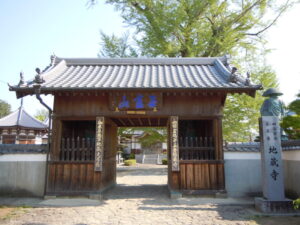
No. 19 Tatsue-ji Temple
Tatsueji Temple, the No. 19 temple on the Shikoku 88 Temple Pilgrimage, enshrines Enmei Jizo Bosatsu as its principal deity.
According to temple tradition, Gyoki carved a statue known as Koyasu Jizo to pray for the safe childbirth of Empress Komyo. This statue is said to be the origin of the principal deity enshrined at Tatsueji Temple.
Later, Kobo Daishi is said to have carved a larger statue of Enmei Jizo Bosatsu and placed the Jizo statue carved by Gyoki inside it.
Tatsueji Temple is also known as the “checkpoint of Awa”, and is considered one of the important temples on the Shikoku pilgrimage.
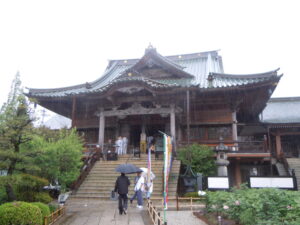
No. 20 Kakurin-ji Temple
Kakurinji Temple, the No. 20 temple on the Shikoku 88 Temple Pilgrimage, enshrines Jizo Bosatsu as its principal deity.
According to temple tradition, Kobo Daishi discovered a small golden statue of Jizo Bosatsu being protected by white cranes in the mountains. Inspired by what he saw, he is said to have carved a statue of Jizo Bosatsu.
The small golden Jizo statue is said to be enshrined inside the current principal image.
Located on a mountaintop at an elevation of approximately 470 meters, Kakurinji Temple is an especially memorable stop for pilgrims who walk the mountain trail to reach the temple.
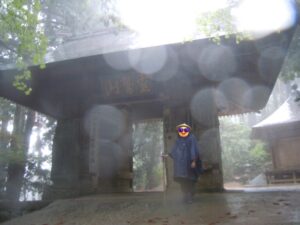
Kochi Prefecture
No. 25 Shinsho-ji Temple
Shinshoji Temple, the No. 25 temple on the Shikoku 88 Temple Pilgrimage, enshrines Jizo Bosatsu (Kajitori Jizo) as its principal deity.
According to temple tradition, when Kobo Daishi visited Muroto, he considered the area a sacred site because the shape of the mountain resembled the jewel held by Jizo Bosatsu. He is said to have carved a statue of Jizo Bosatsu himself and enshrined it as the principal deity.
The principal image is also known as Kajitori Jizo, meaning “Helmsman Jizo.”
This name comes from a legend involving Kazutoyo Yamauchi, who encountered a violent storm off the coast of Muroto. It is said that a monk took control of the ship’s helm and guided it safely into the harbor. Later, when Kazutoyo visited Shinshoji Temple, he found that the statue of Jizo Bosatsu was wet, giving rise to the legend of Kajitori Jizo.
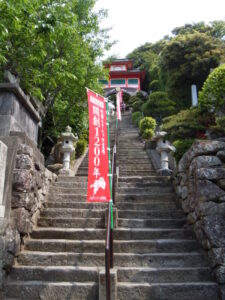
Shinshoji Temple stands on elevated ground overlooking Muroto Port, and its stone staircase leading up to the main hall is one of the temple’s distinctive features.
No. 37 Iwamoto-ji Temple
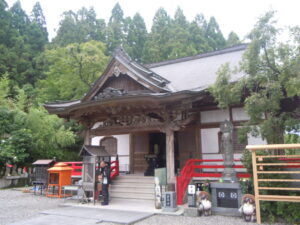
Iwamotoji Temple, the No. 37 temple on the Shikoku 88 Temple Pilgrimage, is one of the pilgrimage temples with a unique tradition.
Iwamotoji Temple enshrines Fudo Myoo, Kannon Bosatsu, Amida Nyorai, Yakushi Nyorai, and Jizo Bosatsu as its five principal deities.
Therefore, when counting the pilgrimage temples that enshrine Jizo Bosatsu as a principal deity, Iwamotoji Temple is included, bringing the total to six temples.
Ehime Prefecture
No. 56 Taisan-ji Temple
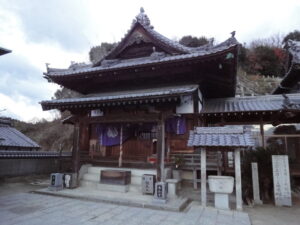
Taisanji Temple, the No. 56 temple on the Shikoku 88 Temple Pilgrimage, enshrines Jizo Bosatsu as its principal deity.
According to temple tradition, Kobo Daishi visited this area and built an embankment to help the people suffering from flooding. He also performed a ritual known as Dosha Kaji. On the day he completed the ritual, he is said to have had a spiritual encounter with Jizo Bosatsu.
Kobo Daishi then carved a statue of Jizo Bosatsu and is said to have founded the temple.
The Jizo Bosatsu enshrined at Taisanji Temple is worshipped as a Buddha who saves people from suffering and guides them toward the afterlife.
Conclusion
Jizo Bosatsu has long been worshipped as a compassionate Buddhist figure who appears throughout the Six Realms of Existence to save those who are suffering.
He is also a familiar and approachable figure associated with a wide range of prayers, including children’s healthy growth and safety, safe travel, longevity, and prayers for the deceased.
On the Shikoku 88 Temple Pilgrimage, there are six temples where Jizo Bosatsu is enshrined as the principal deity: Temple No. 5, Jizo-ji; No. 19, Tatsue-ji; No. 20, Kakurin-ji; No. 25, Shinsho-ji; No. 37, Iwamoto-ji; and No. 56, Taisan-ji.
Each temple has its own history and distinctive form of Jizo worship, including Shogun Jizo, Enmei Jizo, and Kajitori Jizo.
When visiting temples where Jizo Bosatsu is enshrined as the principal deity during your pilgrimage, take a moment to appreciate not only the appearance of the statue, but also the prayers and beliefs that have been associated with each form of Jizo Bosatsu throughout its history.
Comments