
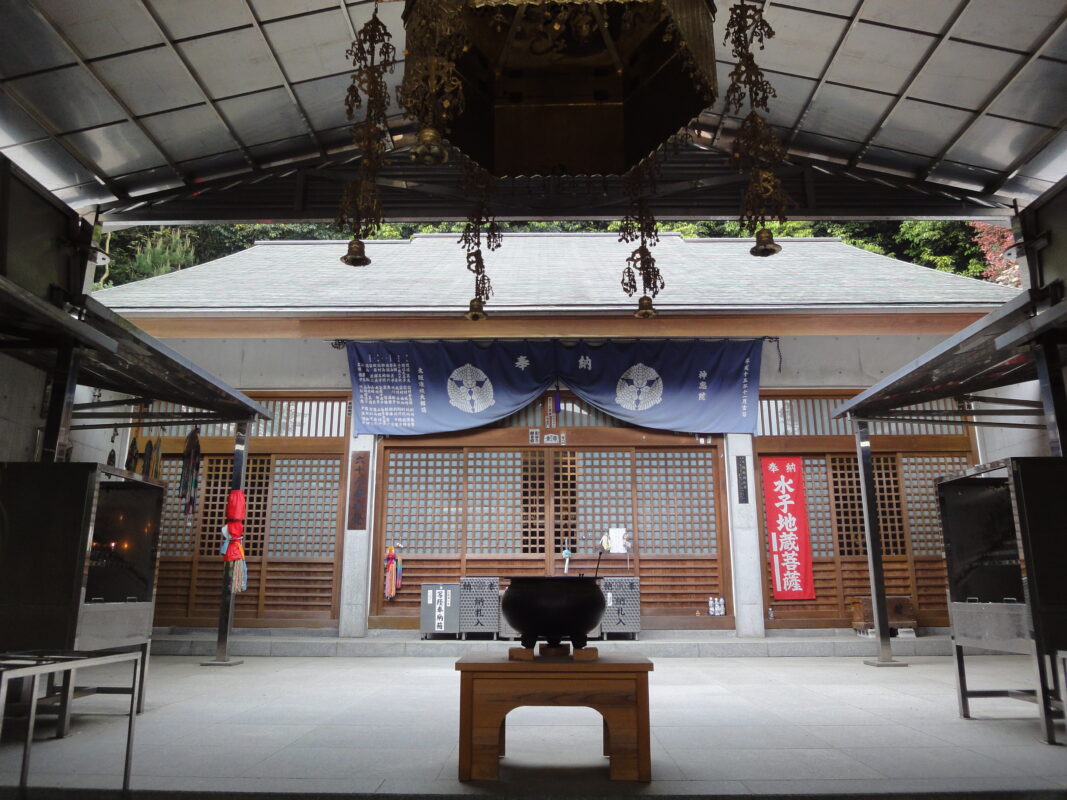
Jinnein Temple Information
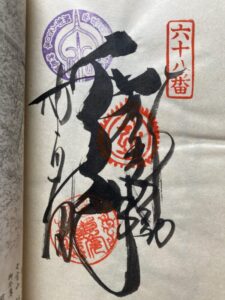
Goshuin
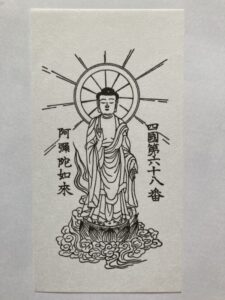
- Omie
- 1,200th Anniversary Edition

Basic Information
| Principal Deity | Amida Nyorai |
| Elevation | 20 m |
| Google Maps | MAP |
Accommodation
| Shukubo (Temple Lodging) | Not Available |
| Tsuyado (Free Pilgrim Shelter) | Not Available |
History & Highlights
Jinnein Temple traces its origins to a shrine-temple complex founded in 703 by Saint Nissho after receiving a divine revelation from Usa Hachimangu Shrine.
Later, Kobo Daishi enshrined Amida Nyorai, the honji-butsu (Buddhist counterpart) of Hachiman, as the principal deity, and the temple became the 68th temple of the Shikoku Pilgrimage.
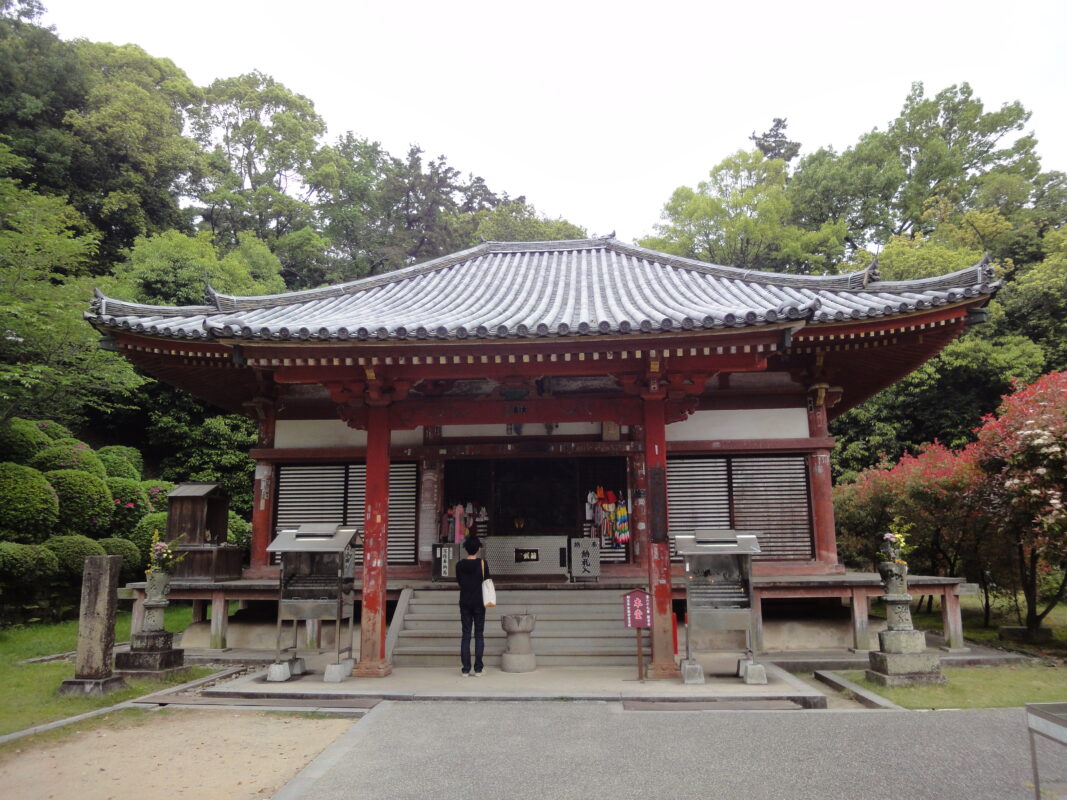
Following the separation of Shinto and Buddhism during the Meiji era, Jinnein was relocated to the grounds of Kanonji Temple, where it continues to enshrine Amida Nyorai today.
Route Map, Distance & Travel Time
You can switch between the tabs to view the routes to the previous and next temples.
Select “Driving Route” from the map’s upper-left menu to display the driving route.
Click the Full Screen icon in the upper-right corner of the map to open it in Google Maps for a larger, easier-to-view map.
- From Previous Temple
- To Next Temple
Previous Temple: Daikoji
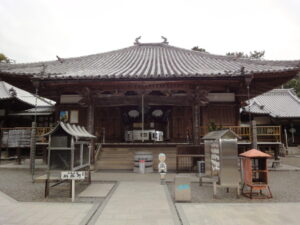
| Distance | 8.7 km |
| Walking | 2 hr 30 min |
| Driving | 20 min |
Next Temple: Kanonji
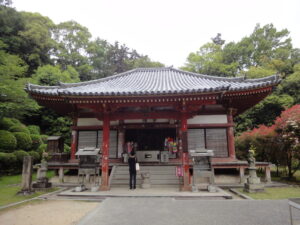
| Distance | 0 km |
| Walking | – |
| Driving | – |
Transportation Guide
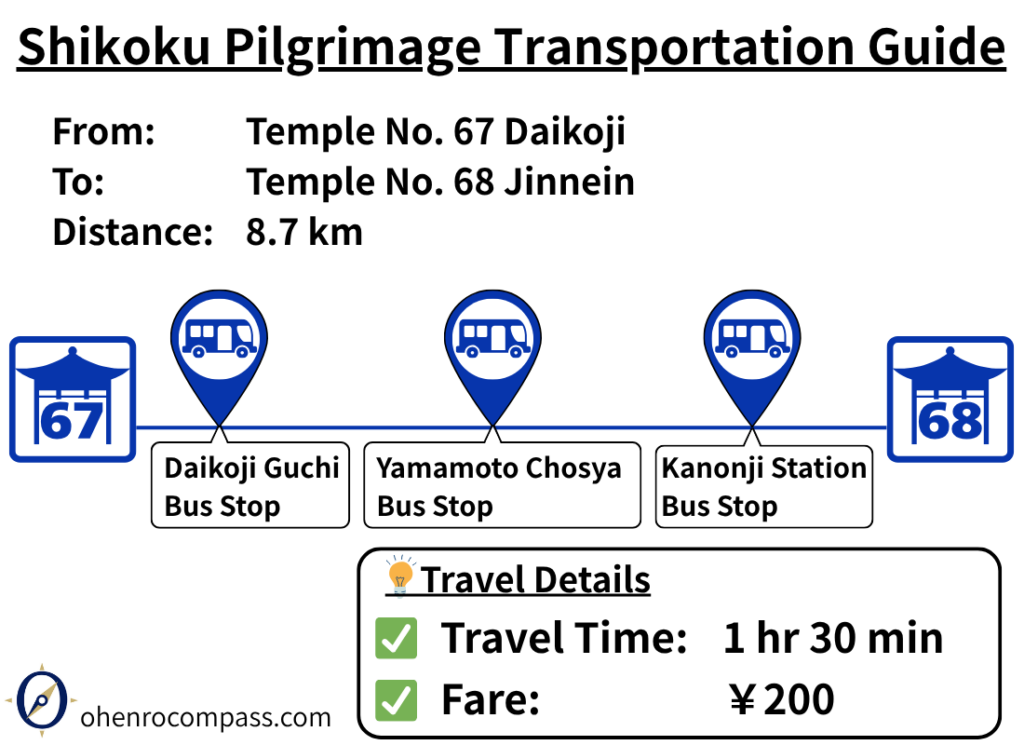
Travel from Daikoji (67th Temple) to Jinnein (68th Temple) by bus in about 1.5 hours for ¥200. Includes bus transfers, timetables, and a comparison with the walking route.
My Walking Experience
Jinnein Temple is located approximately 9 km northwest of Daikoji Temple.
The route passes through peaceful countryside with expansive farmland, but as you approach the city center of Kanonji, where Jinnein is located, the scenery gradually changes to a more urban landscape. This contrast makes the walk particularly enjoyable.
The area around Kanonji Station also offers a wide selection of accommodations and restaurants. For walking pilgrims who have crossed the mountains between Sankakuji and Unpenji, it is a welcome opportunity to rest, resupply, and enjoy more lodging options.
Route from Daikoji Temple to Jinnein Temple
After leaving Daikoji Temple, head west.
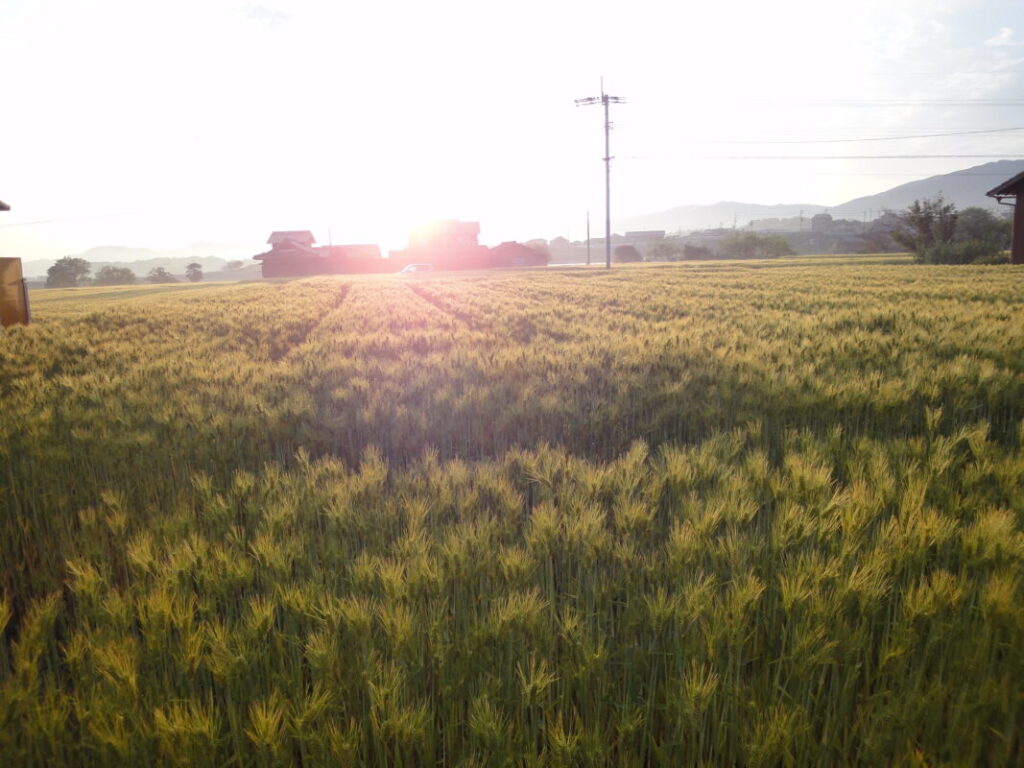
Around the 4 km mark, the route passes beneath the Takamatsu Expressway. This area is surrounded by farmland, and when I walked here in spring, the wheat fields shining golden in the morning sunlight left a lasting impression.
Continue west along Prefectural Route 6. Around the 7 km mark, after crossing the JR Yosan Line railway crossing, you will enter the area around Kanonji Station. This is a convenient place to stop for shopping or a meal.
Finally, cross the bridge over the Saita River, and you will arrive at the grounds of Temple 68, Jinnein.
History and Highlights of Jinnein Temple
A Unique Temple Sharing Its Grounds with Kanonji Temple
Jinnein Temple is one of the few pilgrimage temples in Japan that shares the same grounds as another temple. It stands within the same precincts as Temple 69, Kanonji.
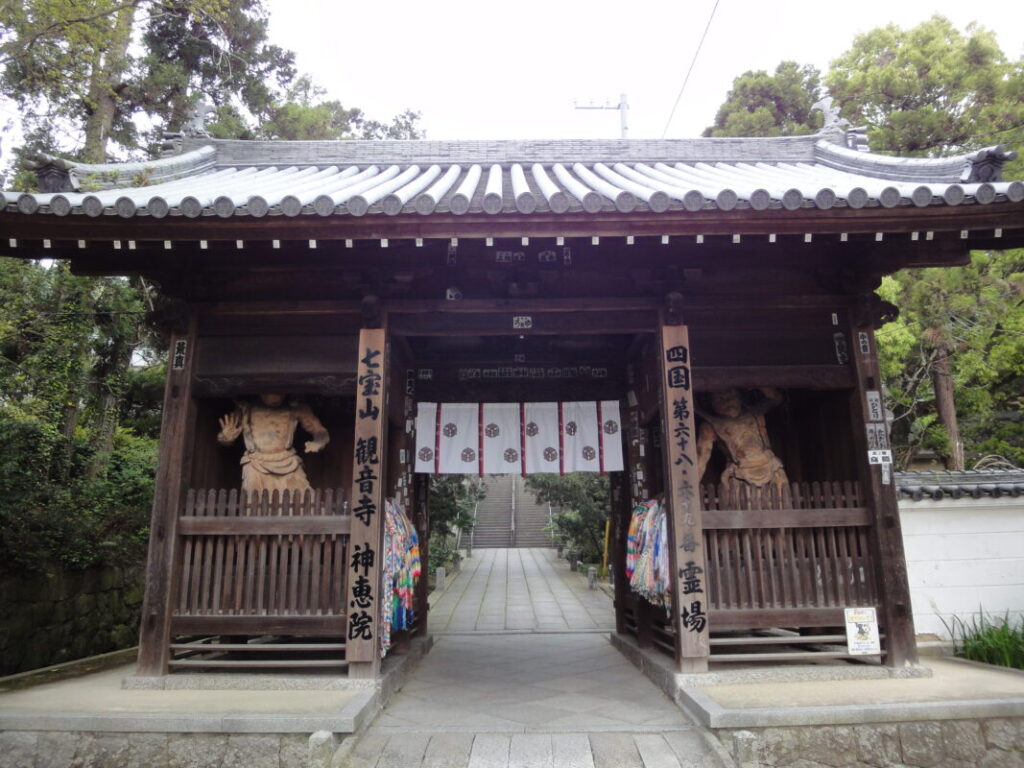
At the temple gate, plaques bearing the names of both Temple 68, Jinnein, and Temple 69, Kanonji, are displayed side by side. This distinctive sight is unique to these two pilgrimage temples.
Because pilgrims can visit both Temple 68 and Temple 69 in a single stop, Jinnein and Kanonji are often remembered as particularly memorable temples along the Shikoku Pilgrimage.
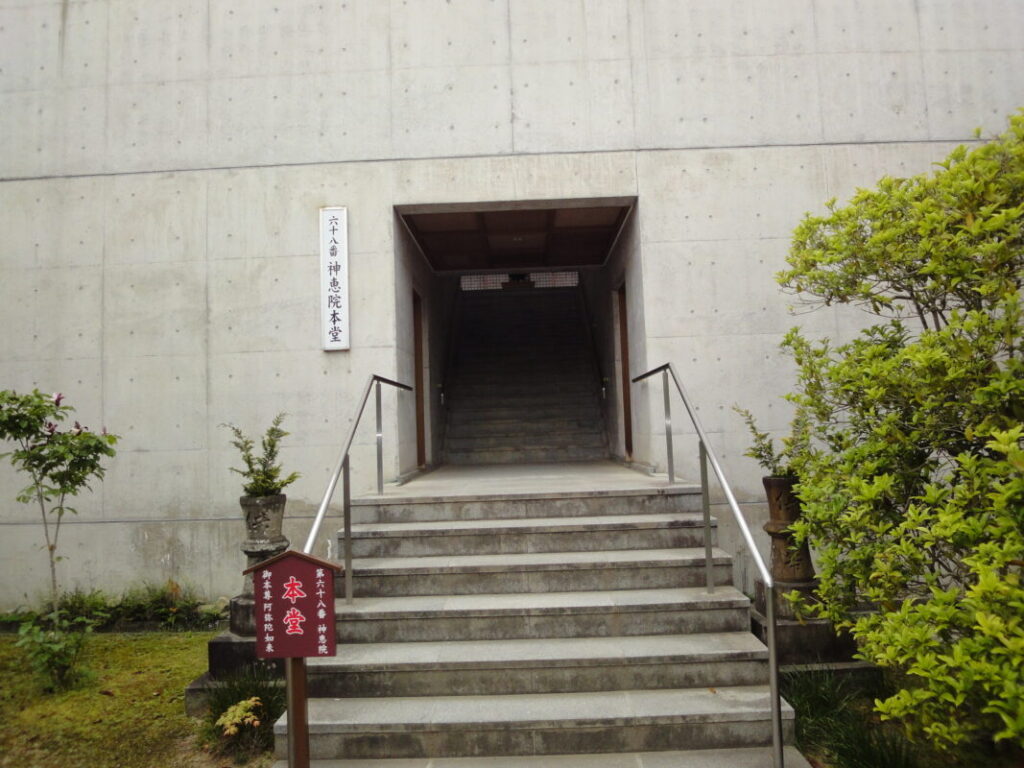
The Distinctive Concrete Main Hall
Jinnein’s Main Hall is unlike most temples on the Shikoku Pilgrimage and leaves a lasting impression on visitors.
From the outside, it appears to be a simple concrete building with a square design. However, after entering the structure, the Main Hall is found within. Since the hall itself is not immediately visible from the exterior, the temple has a somewhat unusual and intriguing atmosphere.
Goshuin of Jinnein Temple
Jinnein and Kanonji share a single Nokyo Office.
Pilgrims typically visit both temples first and then receive the goshuin of Jinnein and Kanonji together at the shared office.
History and Origins of Jinnein Temple
The origins of the temple date back to 703.
According to tradition, the founder, Saint Nissho, was practicing ascetic training in this area when he received a divine message from Usa Hachimangu Shrine. Following the revelation, he discovered a sacred ship and a koto floating on the sea. He brought the koto to Mount Kotohiki and established Kotohiki Hachimangu Shrine.
Later, in 807, Kobo Daishi enshrined Amida Nyorai, regarded as the honji-butsu (Buddhist counterpart) of Hachiman, as the principal deity and gave the temple the name Jinnein.
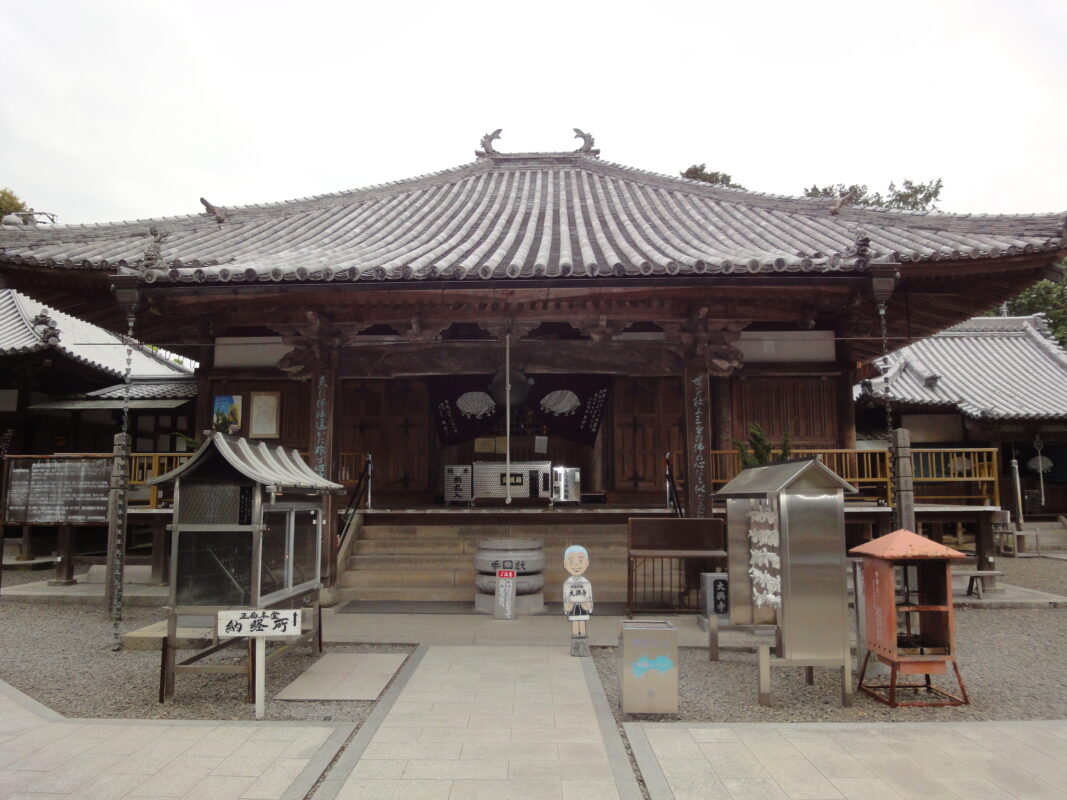
The present-day Jinnein Temple was relocated to the grounds of Kanonji Temple following the separation of Shinto and Buddhism during the Meiji era. Its principal image, Amida Nyorai, is enshrined in the Saikondo Hall and continues to attract many worshippers today.
Nearby Accommodation
If you plan to stay near Jinnein or between the surrounding pilgrimage temples, see the article below.
Related Articles
Shikoku 88 Temple Pilgrimage Route: Full List, Distance & Walking Time Guide.
Temple List and Full Route
Comments