
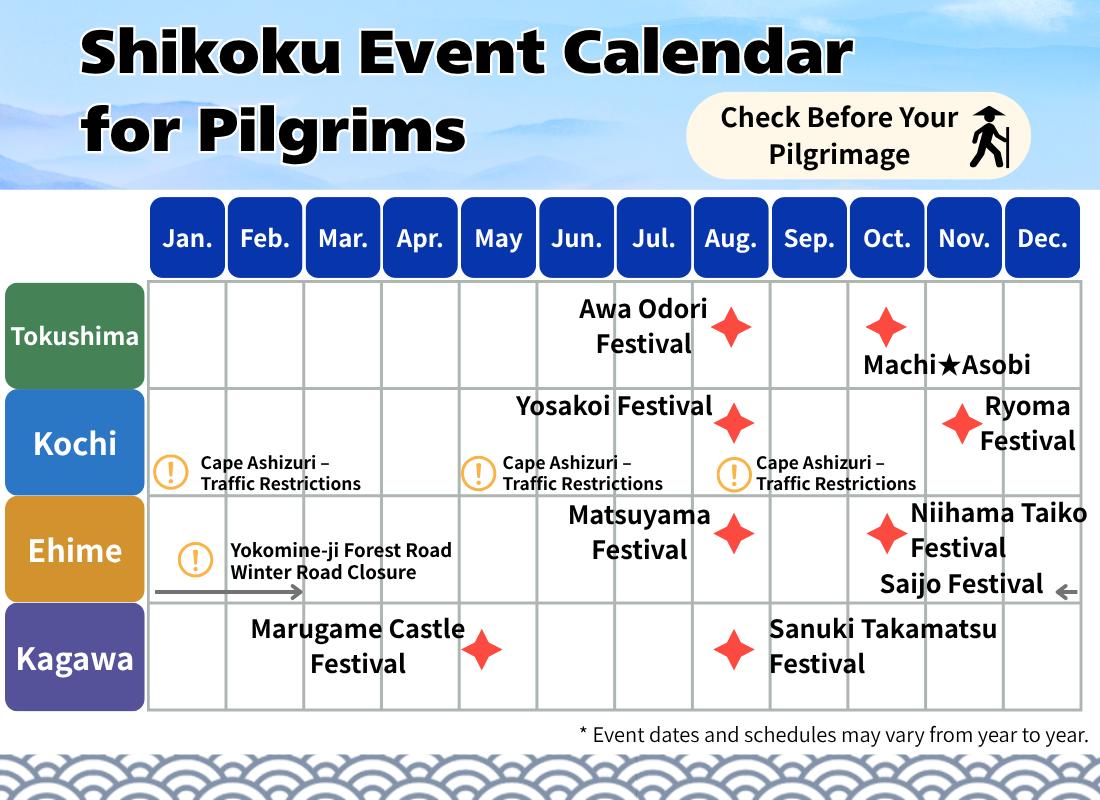
When planning your Shikoku Pilgrimage, it is important to consider not only the temples, accommodation, and walking distances, but also major events and festivals taking place across the region.
Large events can attract thousands of visitors, making hotels and guesthouses difficult to book. Accommodation prices may also increase, while road closures, traffic restrictions, and crowded public transportation can affect your travel plans.
This is particularly important during major festivals such as the Awa Odori in Tokushima and the Yosakoi Festival in Kochi.
This guide introduces major events and seasonal transportation restrictions in Tokushima, Kochi, Ehime, and Kagawa. Check the calendar before planning your pilgrimage to avoid unexpected delays and accommodation problems.
- Shikoku’s Major Events: Monthly Calendar
- Events in Tokushima
- Events and Travel Information in Kochi
- Events and Travel Information in Ehime
- Events in Kagawa
- Seasonal Access Restrictions and Other Travel Considerations
- What to Check Before Your Shikoku Pilgrimage
- Final Thoughts: Plan Ahead for a Smooth Shikoku Pilgrimage
- Related Articles
Shikoku’s Major Events: Monthly Calendar
Here is an overview of major events throughout the year.
| Month | Prefecture | Event |
|---|---|---|
| May | Kagawa | Marugame Castle Festival |
| August | Tokushima | Awa Odori Festival |
| August | Kochi | Yosakoi Festival |
| August | Ehime | Matsuyama Festival |
| August | Kagawa | Sanuki Takamatsu Festival |
| September | Kochi | Katsurahama Moon Viewing Event (varies by year) |
| October | Tokushima | Machi★Asobi (dates vary) |
| October | Ehime | Saijo Festival |
| October | Ehime | Niihama Taiko Festival |
| November | Kochi | Ryoma Festival at Katsurahama |
Event dates and schedules may change each year. Some events are held only on selected dates. Always check the latest official information before travelling.
Events in Tokushima
Awa Odori Festival (August)
Awa Odori is one of Japan’s most famous traditional dance festivals, held every August in Tokushima City.
The festival attracts large crowds from across Japan and overseas. During the event, hotels and guesthouses in Tokushima City can become fully booked, and accommodation prices may increase.
Road closures and traffic restrictions are also common around the festival venues.
If your pilgrimage route includes Tokushima City during this period, we recommend booking your accommodation well in advance.
Temples that may be affected by the event
Machi★Asobi (Dates Vary)
Machi★Asobi is a popular pop-culture event in Tokushima, focusing on anime, games, and related entertainment.
It attracts visitors from across Japan and can increase demand for accommodation and public transportation in Tokushima City.
The event schedule may change from year to year, so check the official announcements before planning your trip.
Temples that may be affected by the event
Events and Travel Information in Kochi
Yosakoi Festival (August)
The Yosakoi Festival is one of Kochi Prefecture’s biggest annual events, usually held around August 9–12 in Kochi City.
Large groups of dancers perform throughout the city, attracting visitors from all over Japan.
Hotels and guesthouses in Kochi City can become extremely busy during the festival. Road closures and traffic restrictions around performance venues may also affect travel by car and public transportation.
If you plan to stay in Kochi City during this period, booking accommodation early is strongly recommended.
Temples that may be affected by the event
Katsurahama: Festivals and Seasonal Crowds
Katsurahama is a popular coastal sightseeing destination in Kochi City, famous for its beautiful beach and the statue of Sakamoto Ryoma.
Several events are held at Katsurahama Park throughout the year, including the Ryoma Festival in November and seasonal events such as moon-viewing celebrations and local festivals.
These events may attract additional visitors, causing congestion around the park and its parking areas.
Pilgrims visiting Temple 33, Sekkei-ji, or travelling through the Kochi City area may wish to check the event schedule before visiting Katsurahama.
Golden Week and summer holidays are also busy sightseeing periods around the area.
Temples that may be affected by the event
Traffic Restrictions Around Cape Ashizuri (Kochi Prefecture)
During busy periods, especially around major holidays and events, traffic congestion and temporary traffic restrictions may occur around Cape Ashizuri.
Pilgrims visiting the area should allow extra travel time and check local traffic information before setting out.
Temples that may be affected by the event
Events and Travel Information in Ehime
Matsuyama Festival (Early August)
The Matsuyama Festival is held every year in early August in Matsuyama City, Ehime Prefecture. Its main attraction is the Yakyuken Odori, a lively dance parade in which teams from local companies and organizations perform along streets such as Okaido and Chifune-machi.
During the festival, temporary traffic restrictions may be introduced in central Matsuyama, and congestion is expected on nearby roads and public transportation. Pilgrims staying in Matsuyama or traveling through the city center should plan ahead.
Temples that may be affected by the event
Niihama Taiko Festival (October)
The Niihama Taiko Festival is one of Ehime’s most famous traditional autumn festivals.
Elaborately decorated taiko floats are carried through the city, with spectacular performances known as Kakikurabe.
The festival is usually held around October 15–18.
Road closures and traffic congestion can occur throughout Niihama City, particularly near festival venues.
Pilgrims travelling through eastern Ehime should allow extra time for transportation and consider booking accommodation early.
Temples that may be affected by the event

Saijo Festival (October)
The Saijo Festival is another major traditional autumn festival in Ehime Prefecture.
The celebrations feature danjiri floats, mikoshi portable shrines, and taiko floats. The festival takes place in several areas of Saijo City, including events associated with Isono Shrine.
Road closures and local traffic restrictions may affect access to nearby temples and roads.
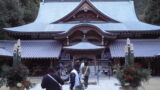
If you plan to visit Temple 63, Kichijo-ji, Temple 64, Maegami-ji, or travel through the surrounding area, check local traffic information in advance.
Temples that may be affected by the event

Events in Kagawa
Marugame Castle Festival (May 3–4)
The Marugame Castle Festival is held every year on May 3 and 4 around Marugame Castle in Marugame City, Kagawa Prefecture, during Japan’s Golden Week holiday period.
The festival features parades, taiko drum performances, dance shows, local food stalls, and other events, attracting many visitors.
Traffic congestion is expected in central Marugame during the festival, and temporary road closures or bus detours may be implemented. If you are doing the Shikoku Pilgrimage during Golden Week, allow extra time for travel and arrange your accommodation in advance.
Temples that may be affected by the event
Sanuki Takamatsu Festival (August)
The Sanuki Takamatsu Festival is a major summer event held in Takamatsu City.
The festival features fireworks, traditional dancing, and other celebrations, attracting many visitors to the city centre and Sunport Takamatsu.
Traffic restrictions and congestion may occur during the festival.
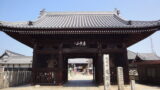
Pilgrims travelling through Takamatsu, especially between Temple 83, Ichinomiya-ji, Temple 84, Yashima-ji, and Temple 85, Yakuri-ji, should allow extra time for travel.
Temples that may be affected by the event
Setouchi Triennale (Every Three Years)
The Setouchi Triennale is an international contemporary art festival held across islands in the Seto Inland Sea.
Popular destinations include Naoshima, Teshima, and Shodoshima.
During the festival, ferry services and accommodation on the islands can become very busy due to the increase in visitors from Japan and overseas.
If you plan to visit any of these islands or use Takamatsu Port during the festival, check ferry schedules and accommodation availability in advance.
Seasonal Access Restrictions and Other Travel Considerations
Major festivals are not the only things pilgrims should be aware of. Seasonal weather and transportation restrictions can also affect access to certain temples.
Temple 60: Yokomine-ji – Winter Access Restrictions
Yokomine-ji, Temple 60, is located in a mountainous area of Ehime Prefecture.
The Yokomine-ji pilgrimage bus, which connects the mountain access point with the temple, normally operates from March 1 to December 20.
The bus service is suspended from December 21 until the end of February.
The mountain road may also be subject to winter closures due to snow and icy conditions.
If you plan to visit Yokomine-ji during winter, check the latest bus and road information carefully. You may need to make alternative arrangements to reach the temple.
Please note that bus service suspensions and road closures are separate restrictions, so check both before travelling.
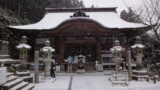
Snow and Icy Roads in Mountainous Areas
Although Shikoku is generally known for its mild climate, mountainous areas can experience snowfall and icy roads during winter.
This is particularly important when travelling to temples located at higher elevations or along mountain roads.
Road closures and bus cancellations may occur depending on weather conditions.
If you are planning a winter pilgrimage, check weather forecasts and road conditions regularly, and allow flexibility in your itinerary.
Typhoon Season: Strong Winds and Transportation Disruptions
Shikoku can be affected by typhoons, particularly from summer through autumn.
When a typhoon approaches, strong winds and rough seas may cause transportation services connecting Shikoku with mainland Japan to be suspended or restricted.
The following transportation routes are particularly important to keep in mind:
- Seto Ohashi Bridge (Seto-Ohashi Expressway): Strong winds may lead to speed restrictions or temporary road closures.
- Akashi Kaikyo Bridge (Kobe-Awaji-Naruto Expressway): Traffic restrictions or temporary closures may occur due to strong winds.
- Ferries and high-speed boats: Services may be cancelled due to typhoons, strong winds, or rough seas.
If these transportation services are suspended, travelling to or from Shikoku may become difficult.
Even after arriving in Shikoku, heavy rain and strong winds can affect local transportation. Train and bus services may be suspended, and roads may be closed due to flooding, landslides, or other weather-related hazards.
If you are planning your pilgrimage during typhoon season, check not only weather forecasts but also bridge traffic updates, ferry schedules, and public transportation announcements.
If you have a scheduled flight or train journey when leaving Shikoku, allow extra time and consider keeping some flexibility in your travel plans.
What to Check Before Your Shikoku Pilgrimage
To avoid unexpected problems, we recommend checking the following information before travelling.
1. Book Accommodation Early
Hotels and guesthouses near major event venues can become fully booked well in advance.
This is particularly important when staying in Tokushima City, Kochi City, or Niihama during major festivals.
2. Check Road Closures and Traffic Restrictions
Road closures and traffic congestion are common around major festival venues.
These restrictions can affect not only drivers but also local bus services and other forms of public transportation.
3. Check Public Transportation Schedules
Special services, route changes, bus diversions, and temporary stop closures may occur during large events.
If your itinerary involves connecting buses or trains, check the latest schedules before departure.
4. Check Temple Access Conditions
Some temples, particularly those in mountainous areas, have seasonal access restrictions.
Winter bus suspensions, snow, and road closures may affect your planned route.
Always confirm the latest access information before setting out.
Final Thoughts: Plan Ahead for a Smooth Shikoku Pilgrimage
Shikoku hosts many major festivals and cultural events throughout the year.
While these events offer wonderful opportunities to experience local culture, they can also affect accommodation availability, transportation, and access to certain areas.
Major festivals such as Awa Odori and the Yosakoi Festival are particularly important to consider when planning accommodation in the host cities.
Seasonal restrictions, such as winter access limitations at Yokomine-ji, should also be taken into account.
Before starting your Shikoku Pilgrimage, check not only your temple route and accommodation but also local event schedules, transportation updates, and seasonal road conditions.
A little preparation can help you avoid unnecessary delays and enjoy a safer, more comfortable pilgrimage.
We hope this guide helps you plan a wonderful Shikoku Pilgrimage!
Related Articles


Comments